New World Screwworm Confirmed in Zavala County Texas Threatening Livestock Wildlife and Pets in First US Detection in Decades
LA PRYOR, TX — The United States Department of Agriculture confirmed on June 3, 2026 that New World screwworm larvae were detected in a three-week-old calf in Zavala County, Texas, marking the first confirmed case of the devastating parasitic pest on US soil in decades and triggering an immediate emergency response from federal and state wildlife and agricultural authorities across South Texas.
What New World Screwworm Actually Is
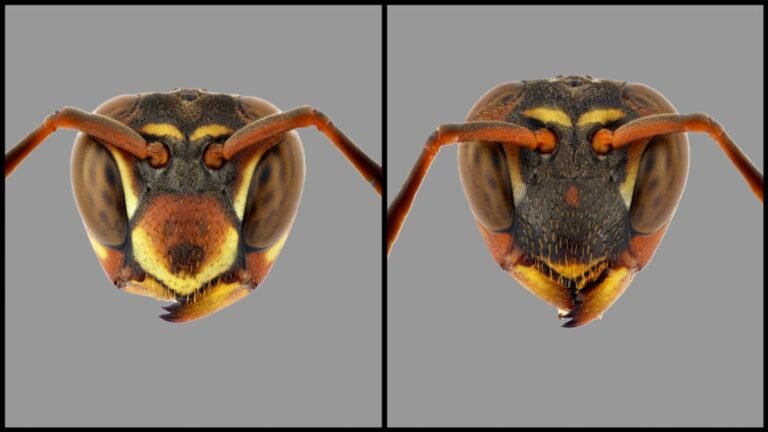
New World screwworm is caused by the larvae of the screwworm fly, a parasitic insect that lays eggs in open wounds or body openings of warm-blooded living animals. Once hatched, the larvae burrow or screw into living flesh using sharp mouth hooks, causing a deeply painful condition known as myiasis that can result in severe injury and death if left untreated.
The pest primarily threatens livestock but poses documented risks to pets, wildlife including wild mammals and birds, and in rare cases humans. The parasite does not affect the food supply and does not infest fruits, vegetables, grains, or meat products according to USDA confirmation.
How the Detection Unfolded
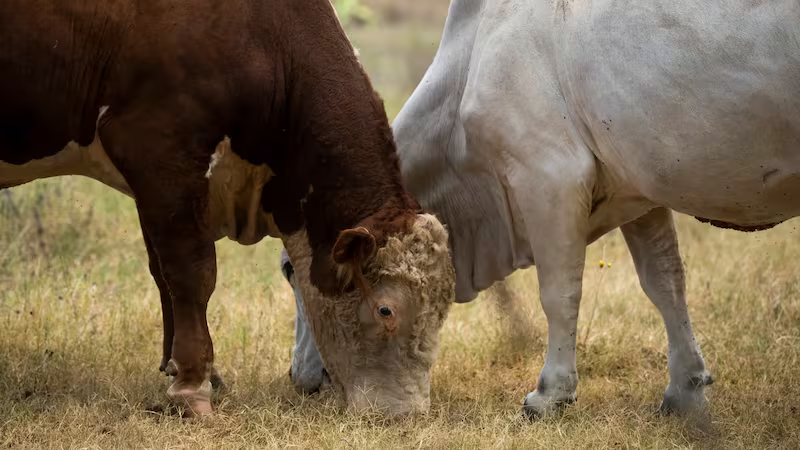
The confirmed case was identified from a sample collected from a three-week-old calf at a ranch in La Pryor in Zavala County, with larvae found in the animal’s umbilical area. The sample was sent to the USDA National Veterinary Services Laboratory in Ames, Iowa for confirmatory testing, which returned a positive identification on June 3.
This marks the first detection of New World screwworm in Texas since the pest began its northward progression from Central America in 2023, and represents the first confirmed domestic US case in decades, raising immediate concern among livestock producers and wildlife managers across South Texas and surrounding regions.
Emergency Response Already Underway
The Texas Animal Health Commission established an infested zone around the affected ranch and implemented animal movement restrictions within a 12-mile perimeter to prevent further spread of the pest across the region.
Targeted releases of sterile screwworm flies are being expedited in the area, a technique considered the most effective eradication method available. The sterile insect technique involves releasing sterile male flies to interrupt reproduction within any established wild population before it can expand beyond the initial detection zone.
What Livestock Owners and Pet Owners Should Watch For
USDA is urging all residents across the affected region to inspect their livestock and pets immediately for signs of infestation, including draining or enlarging wounds, signs of unusual discomfort, and visible larvae or eggs in or around body openings such as the nose, ears, genitalia, or the navel of newborn animals.
Early detection is critical to preventing the pest from establishing a reproducing population across South Texas and potentially spreading northward into additional livestock-producing regions of the state.
For continuing coverage of wildlife health emergencies and agricultural pest threats across the United States, visit SaludaStandard-Sentinel.com.