Squirrels Are Deliberate Liars and Scientists Have the Proof as America’s Most Common Backyard Animal Runs a Sophisticated Deception Operation
WASHINGTON, DC — The gray squirrel you watched dart across your backyard this morning may have been running one of nature’s most calculated cons, and scientists have the documented proof. Research into the behavior of eastern gray squirrels across North America has confirmed that these common backyard animals engage in deliberate, calculated deception as a survival strategy, placing them among the most cognitively sophisticated creatures in the American wildlife landscape.
The Fake Burial Operation Explained
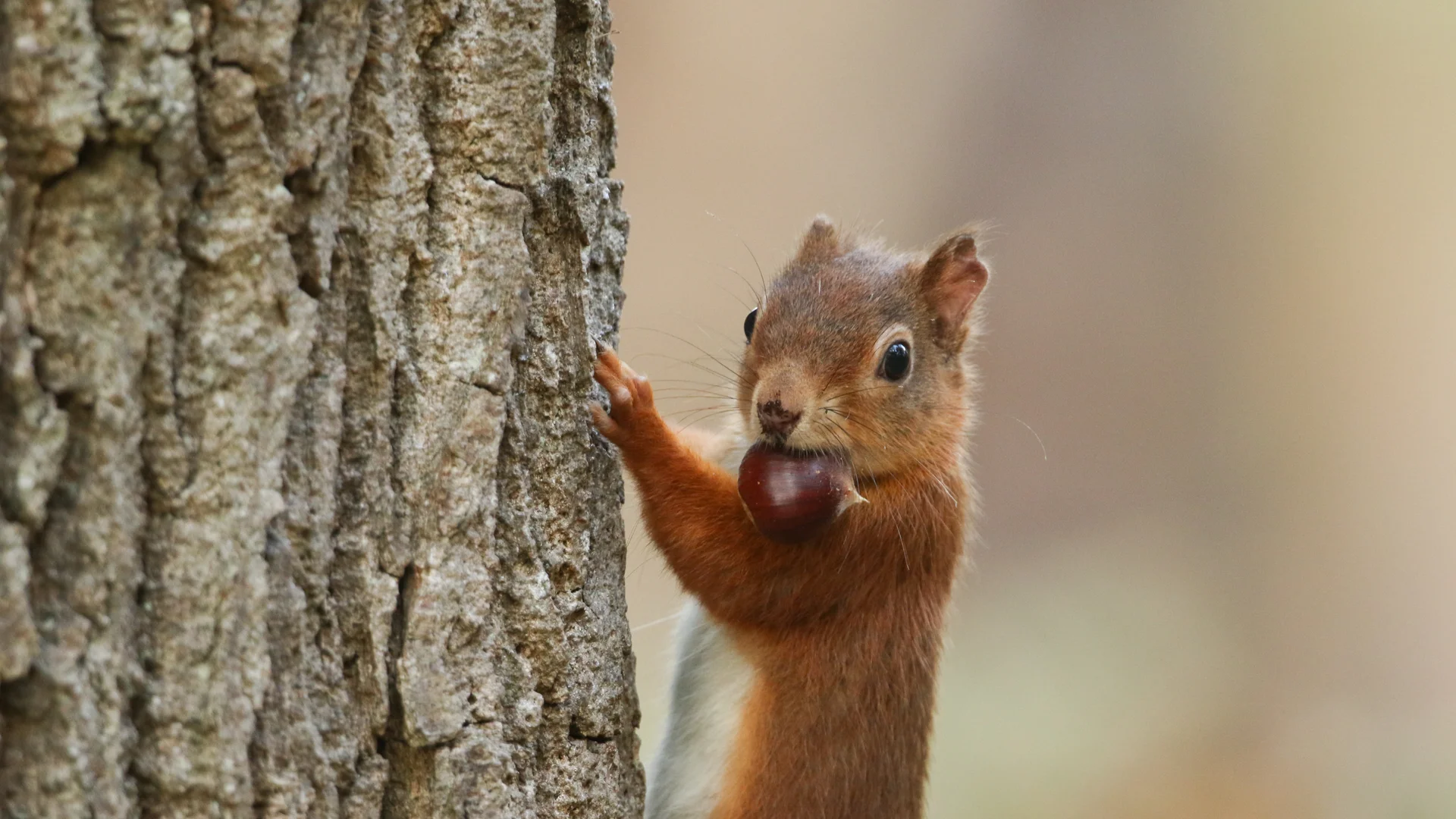
When a squirrel senses it is being watched by a competitor, such as another squirrel or a bird, it will pretend to bury a nut in an empty hole. The squirrel goes through the entire ritual of digging, placing the imaginary nut, and meticulously covering the spot while keeping the actual nut hidden in its mouth. This elaborate ruse is designed to mislead the eavesdropper, who will later waste time investigating the decoy cache.
The performance is remarkably convincing. The squirrel carefully uses its paws and nose to push dirt and leaves over the empty hole, concealing any evidence of the deception. They may even add extra camouflage such as placing twigs or leaves on top of the fake burial site while maintaining an appearance of normalcy and avoiding any behavior that might betray the deception.
This Is Calculated Intelligence Not Instinct
What makes this behavior truly extraordinary is the deliberate and situation-specific nature of the deception. Scientists have conducted experiments involving observed and unobserved burials and found that squirrels are significantly more likely to perform pretend burials when they believe they are being watched, strongly suggesting intentional deception rather than simple memory failure.
Researchers at Willamette University documented this behavior extensively, watching squirrels perform fake burials roughly 20 percent of the time when they detected observers nearby, though the rate jumped considerably when known nut thieves like blue jays were in the immediate vicinity. The squirrels adjust their deception based on the specific threat level.
The Economic Logic Behind the Deception
This is not random behavior. There is cold survival logic driving every fake burial a squirrel performs across American parks, neighborhoods, and forests.
Squirrels lose an enormous percentage of their cached food to theft, with estimates ranging from 25 to as high as 40 percent depending on population density and competition. A single squirrel might bury several thousand nuts across dozens of locations before winter arrives. So the fake burial is economic strategy. Every real cache protected through misdirection is potentially the difference between surviving February or starving in it.
What This Reveals About Animal Intelligence
The phenomenon challenges outdated assumptions that only humans or primates possess advanced problem-solving skills. Instead it places squirrels among a growing list of species demonstrating tactical deception, a hallmark of higher intelligence. Understanding why squirrels engage in this behavior not only deepens our appreciation for wildlife but also expands our definition of what intelligence means in the animal kingdom.
Research has revealed that specific regions of the squirrel brain are dedicated to spatial memory and deceptive navigation, with the hippocampus playing a significant role in their ability to recall cache locations while simultaneously orchestrating elaborate decoy operations across their home territory.
Next time you watch a squirrel in your backyard, look closely. That busy little creature burying something near your fence may be putting on the most sophisticated wildlife performance you will ever witness from your kitchen window.
For continuing coverage of fascinating wildlife discoveries and animal behavior research across the United States, visit SaludaStandard-Sentinel.com.