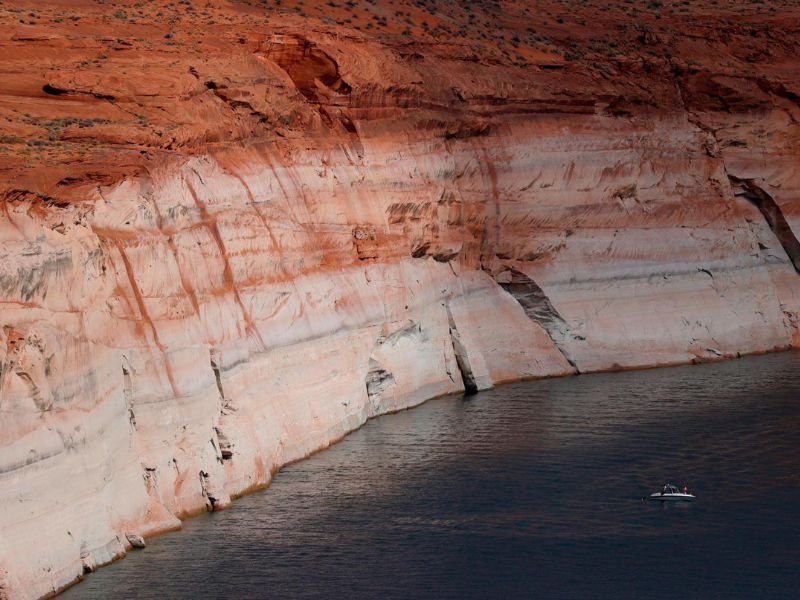
Lake Powell in Arizona and Utah Drops 31 Feet, Raising Fresh Concerns for Colorado River Water and Power Supplies
ARIZONA/UTAH — Lake Powell’s water level is reported to be down 31 feet compared to this time last year, and the continued decline is renewing concern about what that could mean for the Colorado River system that supplies water and power across the Southwest.
Why a 31-Foot Drop at Lake Powell Matters
Lake Powell isn’t just a recreational destination. It functions as a major storage reservoir that helps move Colorado River water downstream toward Lake Mead and into the broader Southwest system that supports cities, agriculture, and power generation. The update notes that the network tied to Lake Powell impacts more than 40 million people across the region.
When levels fall sharply, the effects can go beyond exposed shoreline and boat-access issues. Lower storage can add stress to the entire system during periods when demand remains high and supply is uncertain.
Poor Snowpack Could Mean Less Runoff Reaching the Lake
The post warns that poor snowpack is a key driver of concern right now. With less mountain snow available to melt later, less runoff is expected to recharge the river and reservoir system as the seasons change.
That matters because snowmelt is one of the most important “refills” for the Colorado River basin. If the spring and early-summer runoff comes in weak, the lake may not recover quickly, and the trend of declining levels can continue.
Potential Ripple Effects: Water Delivery, Energy Production, Stability
The update frames Lake Powell as a system “under stress,” with potential impacts that extend into three major areas: water supply, energy production, and long-term stability of the broader river system.
When reservoir levels fall, it can complicate how water is stored and delivered downstream, and it can also raise concern for hydropower generation tied to large western reservoirs. The bottom line in the post is that this is not just a visual change on the shoreline—it is a signal that the system is under pressure.
What Happens Next
The key question is whether water levels stabilize or continue to fall in the coming weeks and months. If snowpack remains poor and runoff doesn’t rebound, pressure on the Colorado River network could intensify heading deeper into the warm season.
What do you think should happen when major reservoirs like Lake Powell keep dropping—more conservation, new infrastructure, or different water rules? Share your thoughts and join the conversation at SaludaStandard-Sentinel.com.