Colorado, Arizona, Nevada, California, and Utah Face Growing Water Risks as Winter Snowpack Fails to Form in the Rockies
COLORADO — An unusually warm winter across Colorado’s mountain regions has left snowpack dangerously low, raising serious concerns for water supplies that support multiple Western states heading into spring and summer.
The lack of sustained snowfall is already affecting ski operations, but experts warn the bigger impact will be felt far beyond recreation, as missing snow translates directly into missing water for millions of people downstream.
Why Colorado’s Missing Snowpack Matters Across State Lines
In a normal winter, snow builds gradually across the Rocky Mountains, acting as a natural reservoir that releases water slowly through spring and early summer. This process supports drinking water systems, agriculture, hydropower, and ecosystems across much of the western United States.
This year, persistent warmth prevented meaningful accumulation in many high-elevation areas. With little snow stored, there is no reliable backup water source waiting for spring, increasing the risk of early-season river declines and stressed reservoirs. Water managers warn that once spring arrives, runoff may peak quickly and fade fast, leaving communities vulnerable during the hottest and driest months.
Colorado River System Under Intensifying Strain
The Colorado River depends heavily on snowmelt from Colorado’s mountains to sustain flows throughout the basin. Reduced snowpack at the source threatens water availability for Arizona, Nevada, California, Utah, and parts of New Mexico.
Reservoirs such as Lake Powell and Lake Mead already face long-term pressure. A weak snow season further limits recovery potential and raises the likelihood of tighter water restrictions across the region if dry conditions persist. Officials caution that even strong late-winter storms may struggle to compensate for months of lost accumulation.
Jet Stream Pattern Steering Winter Storms Away From the Rockies
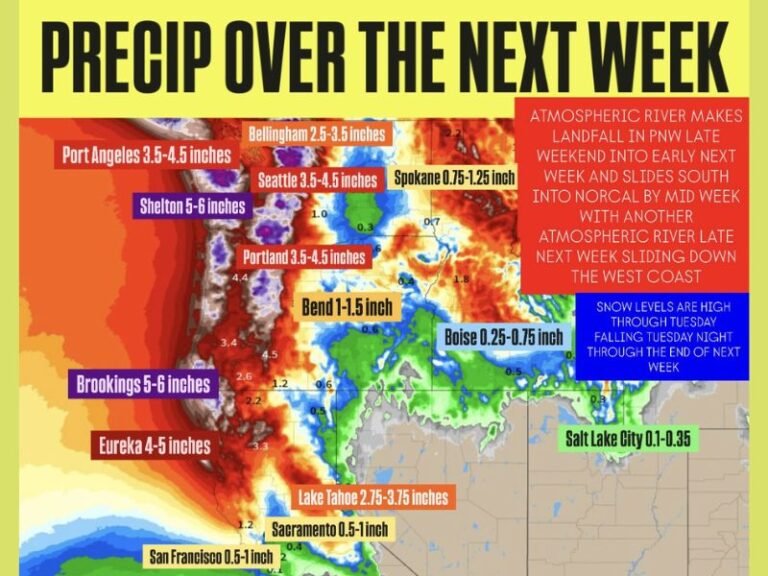
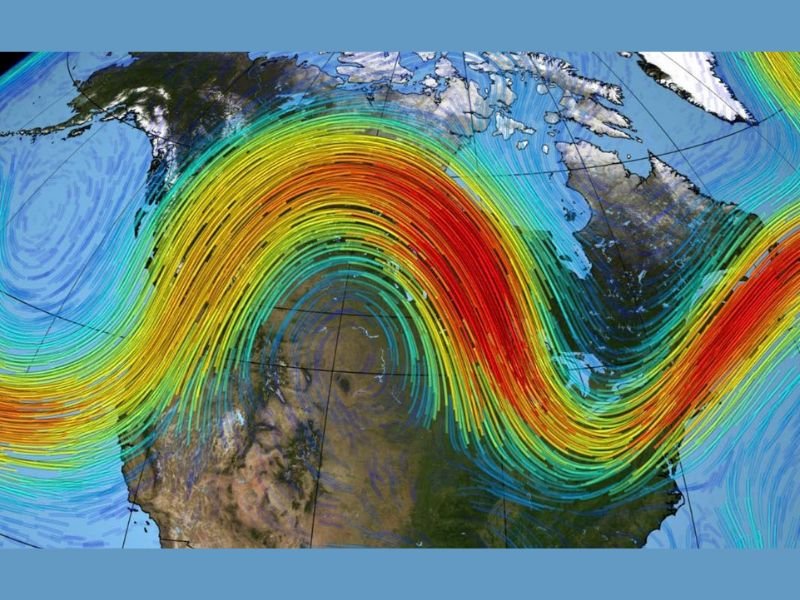
Meteorologists attribute much of this winter’s failure to a persistent atmospheric pattern that redirected cold air and moisture away from the central Rockies. A strong, wavering jet stream repeatedly curved northward, keeping Colorado on the warmer, drier side of storm systems.
Weather analysts tracking this setup, including visualizations shared by MRMBB333, show how sustained upper-level ridging blocked consistent snowfall across the region, preventing snowpack from forming when it was most needed .
Agricultural, Environmental, and Community Impacts Loom
Without dependable spring runoff, farmers face irrigation uncertainty, wildlife habitats may experience early-season stress, and municipalities could be forced to reassess summer water usage plans.
Experts stress that this is not simply an isolated bad winter but part of a broader trend toward warmer winters and increasingly unpredictable precipitation patterns across the West, complicating long-term water planning.
What Water Managers Are Watching Next
Forecasters continue monitoring the possibility of late-season snowfall, but confidence remains low that it can fully reverse existing deficits. Even if storms arrive, rapid melting driven by warmth could limit how much water is ultimately retained. State and regional agencies are preparing for earlier conservation discussions and heightened monitoring as spring approaches.
If you live in a Western state affected by water shortages or have noticed changes in winter conditions where you live, share your perspective and continue the conversation at SaludaStandard-Sentinel.com.