Polar Bears Confirmed Using Ice and Rocks as Weapons to Kill Walruses Validating 200 Years of Inuit Knowledge Scientists Once Dismissed as Myth
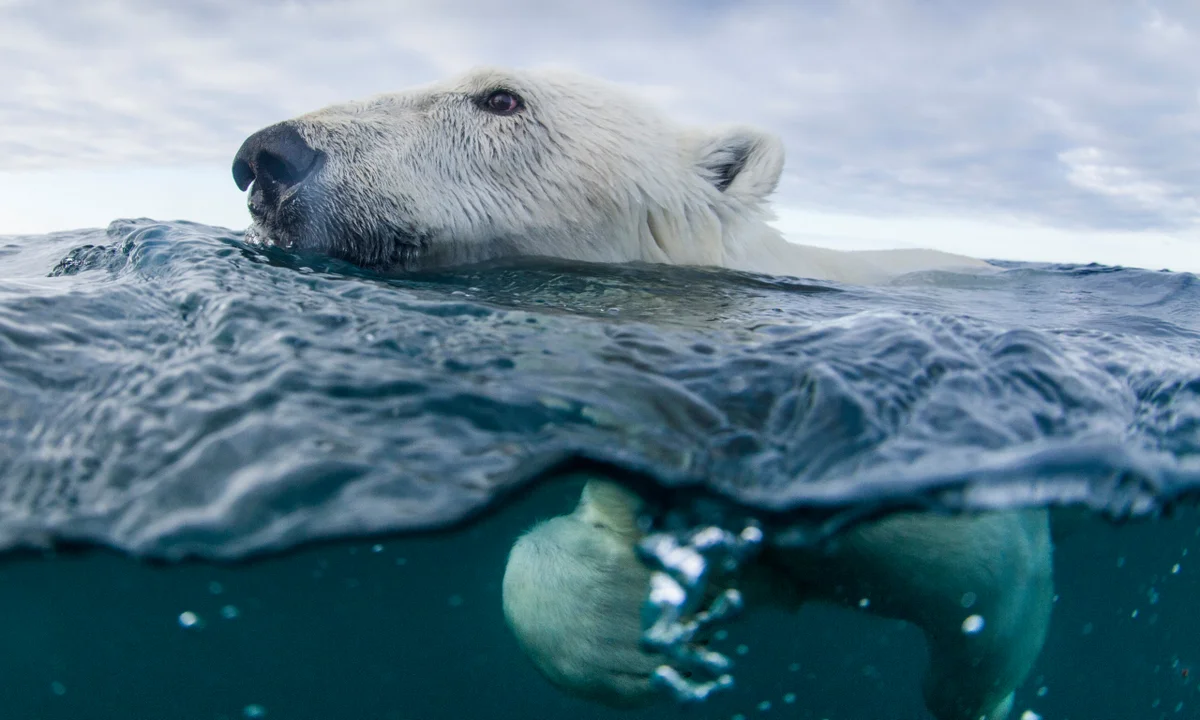
EDMONTON, AB — In one of the most remarkable wildlife discoveries to emerge from the Arctic in recent years, scientists have confirmed what Inuit hunters across Greenland and the eastern Canadian Arctic have known and reported for over two centuries — polar bears deliberately pick up rocks and blocks of ice and use them as weapons to bludgeon walruses to death, making them one of the very few wild mammals on Earth confirmed to use tools for hunting.
Centuries of Indigenous Knowledge Finally Validated
For more than 200 years Inuit in Greenland and the eastern Canadian Arctic have told stories of polar bears using such tools to aid in killing walruses. Yet explorers naturalists and writers often dismissed such accounts relegating them to myth along with tales about shape-shifting bears.
Reviewing Inuit accounts over the past 200 years lead author Ian Stirling, a biologist at the University of Alberta, and his team report that while rare these attacks likely do occur. Published in the peer-reviewed journal Arctic the research concludes that polar bears may occasionally use tools to hunt walruses in the wild.
It has been my general observation that if an experienced Inuit hunter tells you that he has seen something it is worth listening to and very likely to be correct, says Stirling, one of the world’s leading polar bear biologists.
Why Polar Bears Need Tools to Hunt Walruses
The answer lies in the extraordinary physical challenge that a walrus presents to even the most powerful land predator in the Arctic ecosystem.
Weighing over 2,000 pounds with large tusks and heavy skulls walruses are a formidable Arctic mammal. But research now suggests that polar bears may have found a way to kill the massive pinnipeds.
Polar bears may rely on this tactic to hunt walruses because of their large size difficulty to kill and their possession of potentially lethal weapons for both their own defense and the direct attack of a predator. A direct physical attack on a fully grown walrus risks serious injury or death for the bear itself, making the use of a projectile weapon a strategically sound alternative that minimizes the polar bear’s personal risk during a hunt.
What the Attacks Actually Look Like
Historical accounts collected from Inuit observers across multiple generations paint a remarkably consistent and detailed picture of exactly how polar bears execute these tool-based attacks on walrus herds resting on Arctic ice and shorelines.
If the walrus is not instantly killed simply stunned the bear rushes down to the walrus seizes the rock and hammers away at the head till the skull is broken, according to one historical account reviewed in the study.
An occasional adult polar bear might be capable of mentally conceptualizing a similar use of a piece of ice or a stone as a tool to attack the well-protected brain of a walrus in order to kill it. Furthermore female bears may impart this knowledge to their cubs ensuring that it is passed down through the generations.
A Window Into Polar Bear Intelligence
We have a lot of observational information that suggests polar bears are really smart, researchers noted. Tool use by polar bears in the wild is infrequent and mainly associated with hunting walruses given the exceptional challenge they present as prey.
In addition to humans crows orangutans and many other animals have been known to manipulate their surroundings for their own ends. Archer fish spit water at vegetation to dislodge insects while elephants chimpanzees and capuchin monkeys use leaves and branches to manage parasites. The polar bear now joins this exclusive list of tool-using species, a distinction that fundamentally changes how scientists understand the cognitive capabilities of one of North America’s most iconic and endangered wild animals.
For continuing coverage of Arctic wildlife discoveries and polar bear research across the United States and beyond, visit SaludaStandard-Sentinel.com.