Yale Study Reveals American Wildlife Actively Watches and Responds to Humans With Two Thirds of Species Dramatically Changing Behavior Due to Human Presence Alone
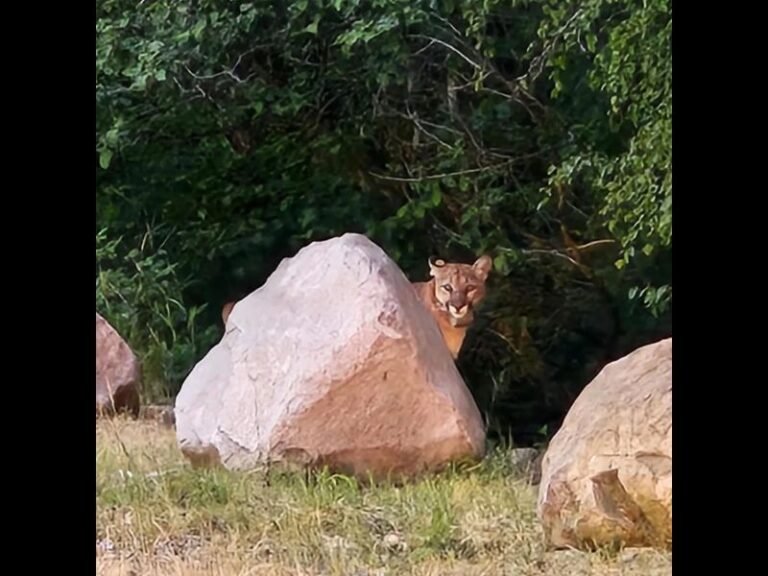
NEW HAVEN, CT — A landmark scientific study published in the journal Science has revealed a stunning truth about American wildlife that fundamentally changes how researchers and conservationists understand the relationship between humans and animals across the United States — the deer, wolves, coyotes, and birds sharing our landscapes are not simply reacting to habitat destruction. They are actively watching us and reorganizing their entire lives around our presence.
The Largest Study of Its Kind Ever Conducted
The study was led by Ruth Oliver, formerly a postdoctoral scientist in Yale’s Department of Ecology and Evolutionary Biology, and Scott Yanco, a research ecologist at the Smithsonian’s National Zoo and Conservation Biology Institute. Researchers used GPS devices to track 37 species including 22 birds and 15 mammals across the United States. Mammal species included white-tailed deer, wolves, coyotes, raccoons, skunks, and some of the big cat species.
In all, researchers collected about 11.8 million location points from more than 4,500 animals. For the first time ever, the team used mobile phone data coupled with satellite-derived measurements of human habitat disturbance to study how both aspects of human behavior affected animal movement and habitat use.
The Shocking Finding That Changes Everything
The results of this six year global collaboration between Yale and more than 50 academic and governmental organizations delivered a finding that scientists did not fully anticipate in its scale or consistency.
More than two thirds of the species changed their behavior in response to direct human presence. Overall 67 percent of mammals reacted noticeably to people along with 68 percent of bird species.
Even small changes in how people move through environments can significantly affect animal behavior according to the findings. This means every jogger on a trail, every cyclist cutting through a forest path, every dog walker strolling through a park is actively reshaping the movement patterns, feeding habits, and territorial decisions of the wildlife surrounding them.
How Individual Species Are Responding
The behavioral shifts documented across the 37 tracked species reveal a remarkably intelligent and adaptive animal kingdom operating just beneath the surface of everyday American outdoor life.
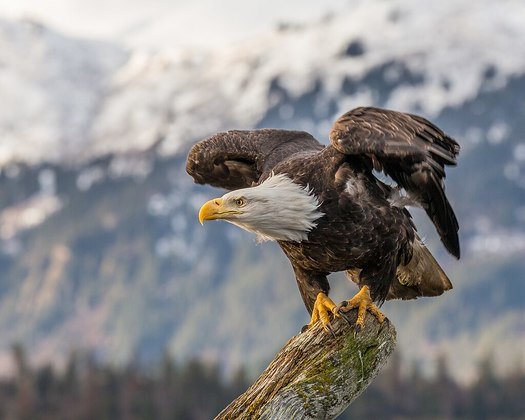
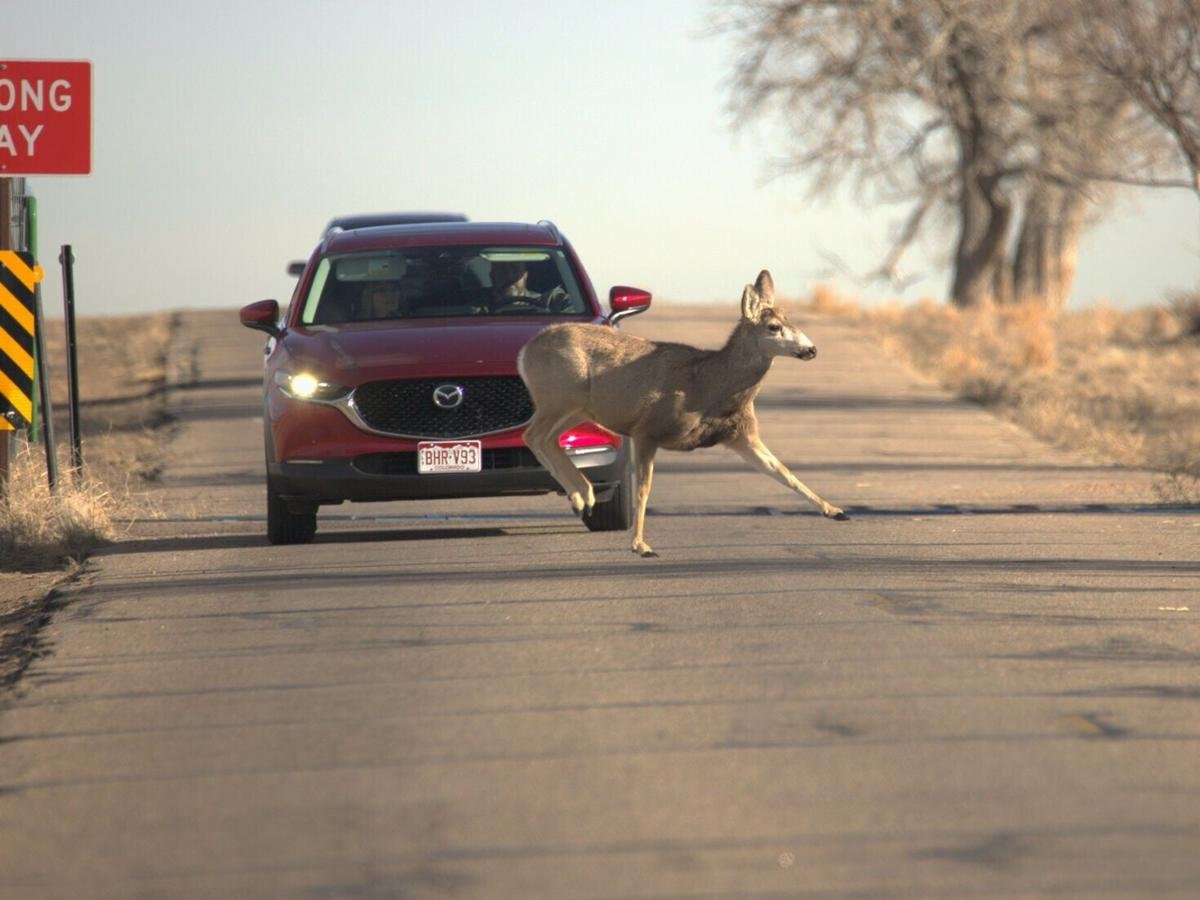
Gray wolves expanded their range, possibly traveling farther to steer clear of humans. White-tailed deer altered feeding times and locations in direct response to human activity patterns detected through mobile phone data. Birds including vultures, hawks, ducks, cranes, and storks all demonstrated measurable behavioral changes tied directly to the physical presence of people rather than changes to their habitat.
What This Means for Conservation
Yale professor Walter Jetz, director of the Yale Center for Biodiversity and Global Change, said animals are affected by both direct human presence and by human-caused changes to the physical environment such as agriculture and urbanization.
The findings suggest that in addition to habitat preservation, efforts to skillfully manage the timing and intensity of human activity such as limiting traffic during key periods or reducing disturbance in sensitive habitats may help wildlife and people coexist more successfully across the American landscape.
The next time you walk through a national park, a nature trail, or even a suburban green space, the animals around you already know you are there and have already begun adjusting their world accordingly.
For continuing coverage of groundbreaking wildlife research and conservation science across the United States, visit SaludaStandard-Sentinel.com.