North Carolina, South Carolina, Virginia and Tennessee Hit by Severe Storms Leaving 32,000 Without Power After Tornado Warnings and Damaging Winds
NORTH CAROLINA — A powerful storm system swept across North Carolina, South Carolina, Virginia, and Tennessee, bringing a chaotic mix of tornado warnings, damaging winds, and widespread power outages before a sharp cold front pushed through the region.
While the storms triggered multiple alerts and intense conditions throughout the day, officials have confirmed that only one tornado touchdown has been identified so far, though damage reports remain extensive across several states.
Tornado Warnings Triggered Across Multiple States
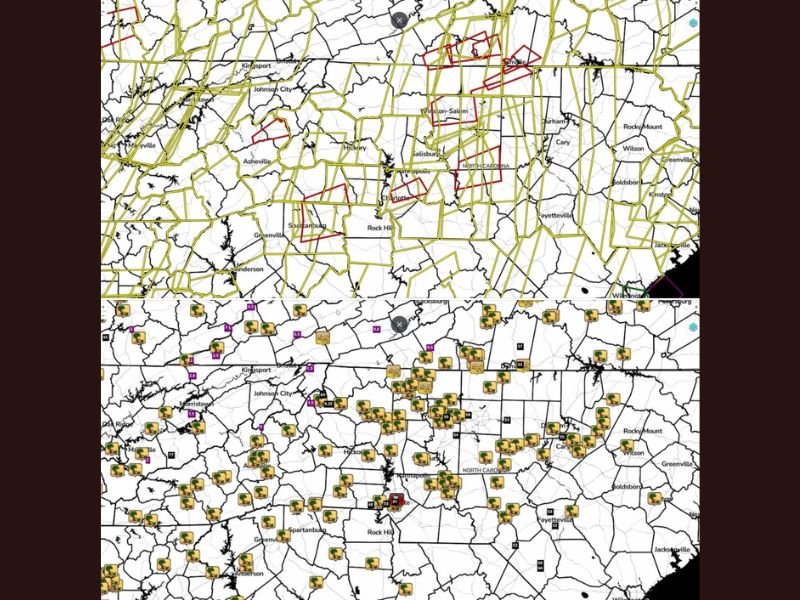
Throughout the day, tornado warnings were issued across parts of North Carolina, Virginia, and Tennessee as radar indicated areas of strong rotation embedded within the storm line. Several warning polygons stretched across county lines, reflecting the fast-moving and unpredictable nature of the system.
Despite the alarming setup, only one tornado has been confirmed at this time. Meteorologists say the storm environment briefly supported tornadic activity, but most of the system evolved into a line of storms rather than isolated supercells. Emergency teams are continuing to assess impacted areas to determine whether any brief or weak tornadoes may have gone unreported.
Damaging Winds Cause Widespread Impact
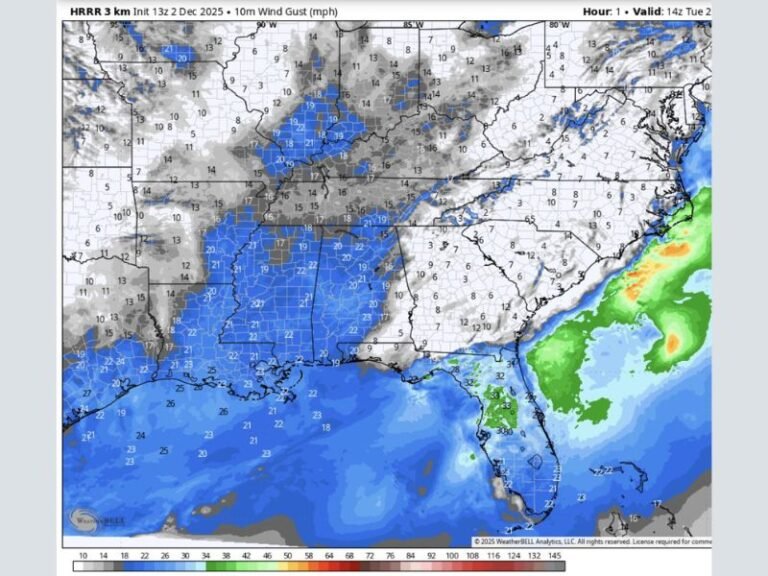
The most significant impact from this storm system came from powerful straight-line winds that swept across the region. Reports show widespread tree damage, snapped limbs, and debris scattered across roads from Tennessee through the Carolinas and into parts of Virginia.
Wind gusts were strong enough to knock down power lines and cause structural damage in some communities. The storm reports map indicates a dense cluster of wind damage incidents, especially across central and western North Carolina and extending into neighboring states.
Meteorologists noted that the transition into a squall line increased the risk of widespread wind damage rather than concentrated tornado destruction.
More Than 32,000 Without Power Across the Region
At the peak of the storm, approximately 32,000 customers were left without electricity across North Carolina, South Carolina, Virginia, and Tennessee. The outages were primarily caused by falling trees and damaged power infrastructure.
Utility crews have restored power in many areas, but some communities continue to deal with outages as cleanup efforts remain ongoing. Officials are urging residents to stay away from downed power lines and report hazards immediately. The scale of outages highlights how impactful straight-line winds can be, even when tornado activity is limited.
Strong Cold Front Brings Sudden Temperature Drop
Following the storms, a strong cold front swept across the region, bringing a dramatic drop in temperatures. Forecasters say this will result in the coldest morning and daytime conditions since late February for many areas.
The sudden shift from severe storms to cold weather is creating additional challenges, especially for those still without power. Wind chills are expected to make conditions feel even colder overnight and into the morning hours. Residents are advised to prepare for freezing conditions and take precautions to stay warm.
A Rapidly Changing Weather Day Across the Southeast
Meteorologists described the event as a rapidly evolving system that changed character throughout the day — beginning with tornado concerns in the morning, transitioning into widespread severe thunderstorm warnings, and ending with damaging winds and falling temperatures.
Although the tornado threat did not fully materialize, the widespread damage and outages underscore the seriousness of the storm system.
Officials emphasize that severe weather season is just beginning, and similar setups could develop again in the coming weeks. If your area experienced storm damage or power outages, share your experience and photos with us. Stay updated with continuing coverage on SaludaStandard-Sentinel.com.