Southern States Brace for December 17 Arctic Blast as Temperatures Plunge 25–35 Degrees Below Normal Across Texas, Louisiana, Mississippi, and the Carolinas
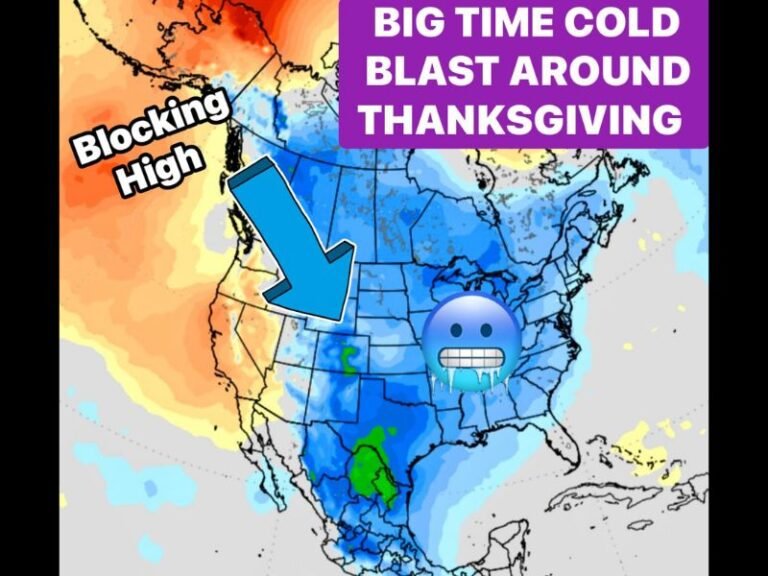
BIRMINGHAM, Ala. — A massive Arctic air outbreak is poised to grip the South on December 17, sending temperatures plummeting across Texas, Louisiana, Mississippi, Alabama, Georgia, Tennessee, and the Carolinas in what forecasters are calling one of the coldest air masses of the early winter season.
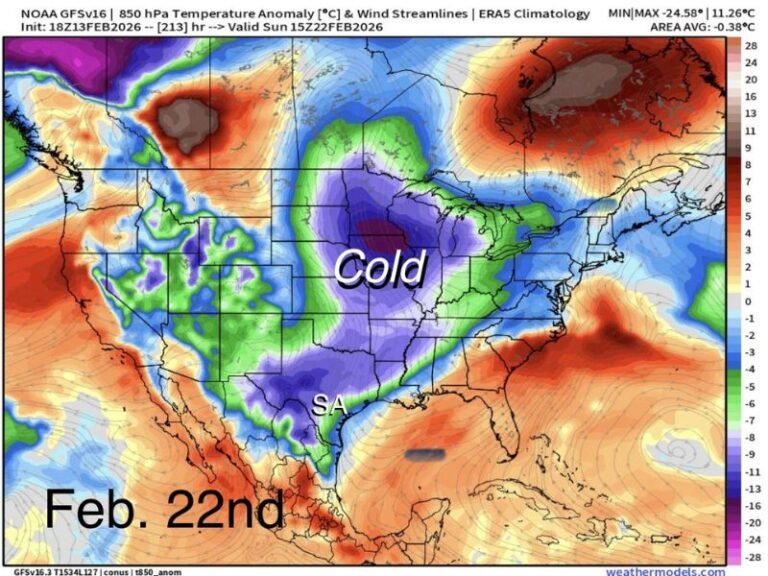
Forecast models show temperature anomalies of 25–35 degrees below normal, with widespread subfreezing lows and dangerous wind chills stretching from the Southern Plains through the Deep South and into parts of the Southeast.
Forecast Models Show Brutal Temperature Drop
According to the latest GFS model runs, the cold front will surge southward from the Midwest beginning Monday, December 16, before fully engulfing the Gulf Coast states by Wednesday morning.
By the peak of the Arctic intrusion on December 17, actual air temperatures are expected to fall into the teens and low 20s across much of the Deep South, with even single digits possible in northern portions of Mississippi, Alabama, and Tennessee.
Wind chills could make it feel as low as 0°F to –10°F in many inland areas, creating dangerous exposure conditions for anyone outdoors without proper protection.
“We’re seeing model runs with temperature departures 30 degrees below average across much of the southern United States,” meteorologist Ryan Hall said in a Sunday update. “If this verifies, this would be a significant Arctic outbreak for mid-December.”
State-by-State Impact
- Texas: Dallas, Houston, and San Antonio could see morning lows in the 20s, with temperatures across northern Texas dipping into the teens.
- Louisiana: Baton Rouge and Shreveport are forecast to fall to the mid-20s, while New Orleans could drop to around 30°F.
- Mississippi: Jackson and Tupelo may see lows in the upper teens to low 20s, with strong northwest winds making it feel colder.
- Alabama: Birmingham and Montgomery are expected to wake up to 20°F, with icy wind chills in the single digits.
- Georgia: Atlanta may fall to 24°F, with flurries possible in higher elevations of North Georgia.
- The Carolinas: Charlotte and Columbia could see lows between 20–25°F, with coastal regions in the low 30s.
- Tennessee: Nashville could plunge to 15°F, with Memphis staying below freezing through much of the day.
- Florida Panhandle: Temperatures may briefly touch the upper 20s, with frost and wind chills extending inland.
Wind Chill and Frost Threat Across the South
Forecasters warn that wind chills could become dangerously low, especially in open and rural areas. Combined with strong Arctic winds, this system may also damage crops, freeze pipes, and endanger outdoor pets and livestock.
Residents are urged to take immediate precautions, including:
- Covering outdoor faucets and pipes.
- Bringing pets indoors.
- Preparing emergency heat sources and backup generators.
The Weather Prediction Center says this event could bring the most intense pre-Christmas cold since the December 2022 Arctic outbreak, which caused widespread power issues and record-breaking low temperatures.
How Long Will It Last?
While the coldest air peaks around December 17–18, temperatures are expected to remain below average for several days afterward, especially across the Southeast and Appalachians.
Highs may struggle to reach freezing in northern Alabama, Mississippi, and Tennessee, while parts of Georgia and the Carolinas may remain in the 30s to low 40s through midweek.
“This is not just a quick cold front — it’s a deep, sustained Arctic intrusion,” said meteorologist Caleb Davis. “Even Florida will feel the chill, though the southern tip should stay above freezing.”
Residents Urged to Prepare Now
With more than 10 days until the front’s arrival, meteorologists caution that exact temperature values could still fluctuate, but all major forecast models agree on a significant cold pattern developing mid-month.
Residents are advised to monitor updated forecasts and prepare for hard freezes that could impact travel, energy demand, and agriculture.
Stay with SaludaStandard-Sentinel.com for continuing coverage and preparedness updates as the December 17 Arctic blast approaches.