Florida Emergency Order Lets Residents Collect Cold-Stunned Iguanas During Winter Weather, Permit Rules Temporarily Waived
FLORIDA — Florida has issued an emergency order tied to the state’s recent winter weather, temporarily allowing the public to legally collect cold-stunned green iguanas from their own property and deliver them to designated state wildlife offices.
Why Florida Issued the Emergency Order
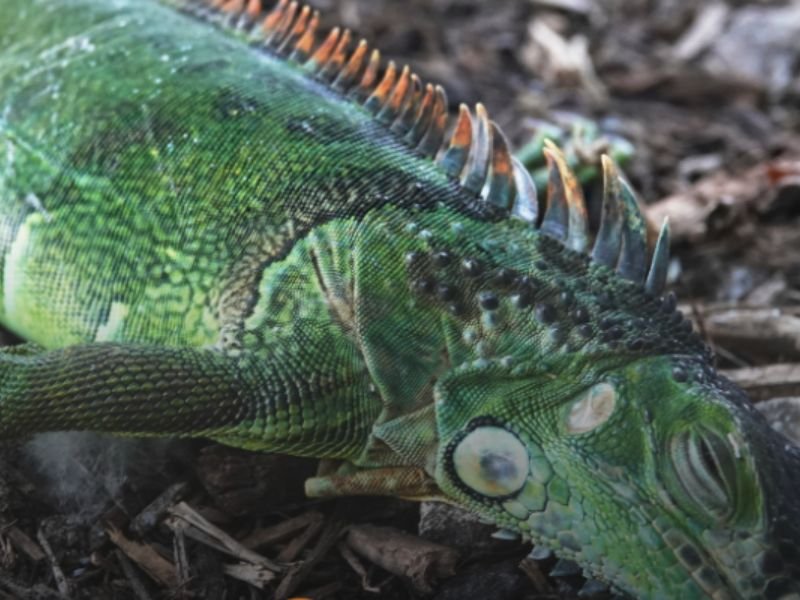
During sharp cold snaps, green iguanas can become cold-stunned, meaning their bodies slow down so dramatically that they may appear motionless or “frozen” in place. In Florida, that often leads to reports of iguanas dropping from trees or being found immobile on sidewalks, in yards, or near canals.
State officials say the emergency action is intended to help manage the growing impact of green iguanas across Florida, where the invasive reptile has been blamed for damaging landscaping, digging burrows that can undermine banks and seawalls, and disrupting native habitats.
What the Order Allows Residents to Do
Under the emergency order, residents are allowed to collect iguanas on their own property and deliver them directly to one of five designated Florida wildlife offices. The order also waives the usual permit requirement for possessing these prohibited reptiles during the emergency period, as long as people follow the transport and delivery conditions.
Authorities emphasized that this is not a general “capture anywhere” allowance. The permission described is centered on collection from personal property and delivering the animals to designated officials.
Transport Rules and What Happens to the Iguanas
The emergency order outlines specific handling expectations. Iguanas must be transported in breathable, escape-proof cloth bags and delivered promptly to wildlife staff. Once turned over, the animals may be handled through humane euthanasia or, in some cases, transferred to licensed animal dealers, depending on agency procedures and available options during the response period.
What Residents Should Keep in Mind
Even when an iguana looks still, wildlife officials typically warn that cold-stunned animals can regain movement as temperatures rise. That means residents should take precautions to avoid bites, scratches, or unsafe handling. The emergency order is meant to streamline response during unusual cold conditions, not encourage risky contact.
Florida’s approach reflects how seriously officials view the invasive iguana problem, especially when cold weather creates a short window where large numbers may be found immobile and easier to remove.
If you live in a cold-prone area, do you think emergency wildlife measures like this are necessary during winter extremes? Share your thoughts and experiences with SaludaStandard-Sentinel.com.