Alaska’s Brutal Arctic Blast Could Send Frigid Air Into Texas and Southern U.S. by Christmas Week
ANCHORAGE, Alaska — An intense Arctic outbreak developing over Alaska and the Northwest Territories could soon send a wave of bitter cold air plunging into the continental United States, potentially reaching as far south as Texas by Christmas week, according to new long-range forecasts.
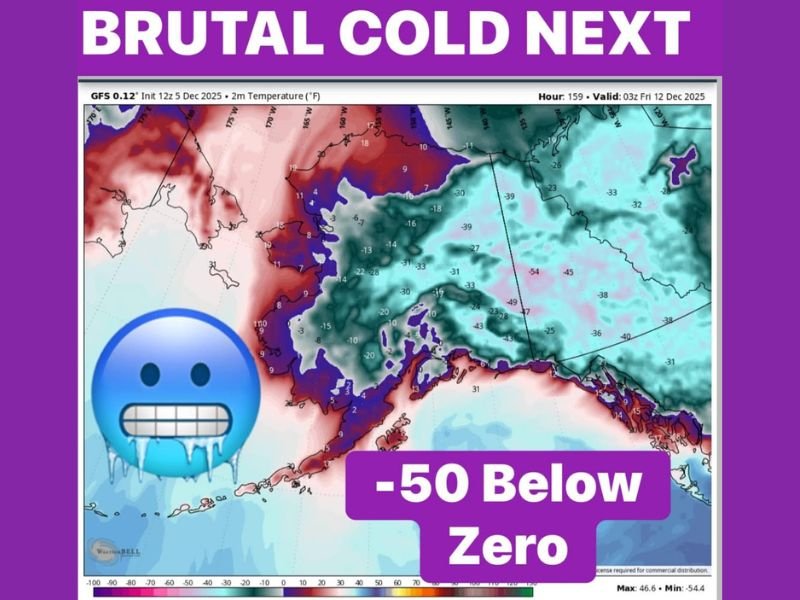
Meteorologists are closely monitoring temperatures dropping as low as –50°F in parts of interior Alaska this week — conditions that often signal the start of a cross-polar cold flow capable of spilling south into the Lower 48 within 7–14 days.
Frigid Air Pooling Over Alaska Signals Jet Stream Shift
High-latitude blocking patterns and a strong cross-polar flow are currently setting up over Alaska and the Yukon, trapping cold Arctic air across the region.
When that cold “pools” in the far north, it tends to force the jet stream southward, creating a pathway for extreme cold to move into the central and southern United States roughly one to two weeks later.
“This is the type of upper-air setup we watch very carefully in December,” explained meteorologist Brooks Taylor. “Once that air mass builds, it rarely stays bottled up in Alaska — it eventually finds its way south.”
Possible Timeline: Arctic Front December 20–26
Based on current global model trends, forecasters say the probability is increasing for a strong Arctic front to reach the U.S. between December 20 and December 26 — aligning perfectly with Christmas week.
If that happens, Texas and much of the South-Central U.S. could experience temperatures 15–25°F below normal, potentially setting the stage for one of the coldest holiday periods in several years.
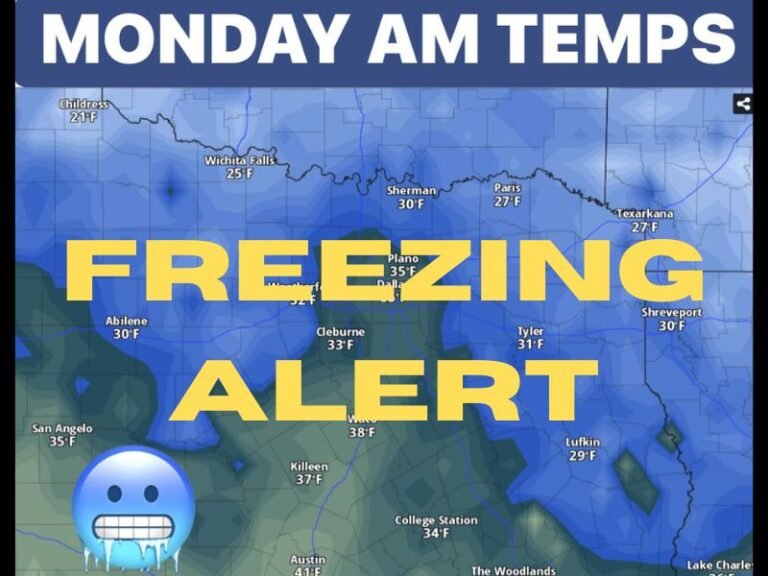
- Texas: Widespread freezing temperatures likely, especially across North and Central Texas.
- Oklahoma and Arkansas: Strong north winds and potential for ice or wintry mix as the front passes.
- Louisiana and Mississippi: Sharp temperature drop expected with possible frost and subfreezing nights.
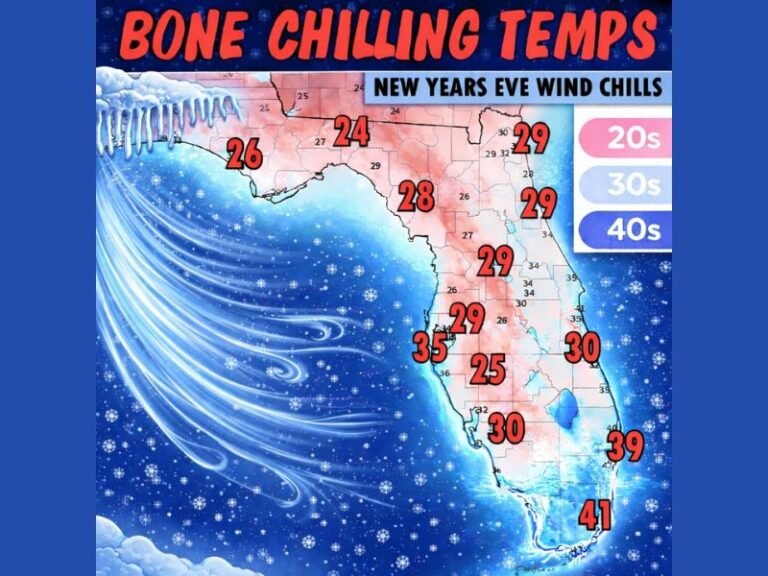
- Southeast U.S.: Colder-than-normal pattern likely by Christmas Eve, with below-freezing lows reaching as far as Georgia and the Carolinas.
Pattern Matches Historical Cold Outbreaks
Meteorologists note that the current setup mirrors patterns seen before major cold events, such as December 1989, 2010, and 2022 — years that brought severe Arctic outbreaks following a warm early December in Alaska.
While it’s too early to predict exact temperatures or snow potential, long-range ensembles show a clear southward push of polar air beginning around Dec. 18–20, reaching its peak cold intensity between Dec. 23–26.
“Once Alaska hits –40°F or lower, it’s usually just a matter of time before that cold bleeds south,” Taylor said. “It’s a signal that we could be setting up for a very cold Christmas across much of the country.”
Texas and the South Should Prepare for Below-Normal Christmas Temperatures
If the Arctic air mass verifies, Texas could experience one of its coldest Christmas weeks since 2022, when subfreezing temperatures reached all the way to the Gulf Coast.
Forecast models also suggest a potential second cold surge into early January 2026 — reinforcing what appears to be an active and wintry pattern for the southern U.S.
For now, forecasters are urging residents to prepare for a colder-than-average holiday, with energy demands, travel plans, and livestock care likely to be affected if Arctic air sweeps south. For continuing winter forecast updates and regional alerts, visit SaludaStandard-Sentinel.com.