High-Risk Zone for January Tornadoes Across Texas, Louisiana, Mississippi, Alabama, Georgia, and Florida as Early-Winter Severe Weather Preparedness
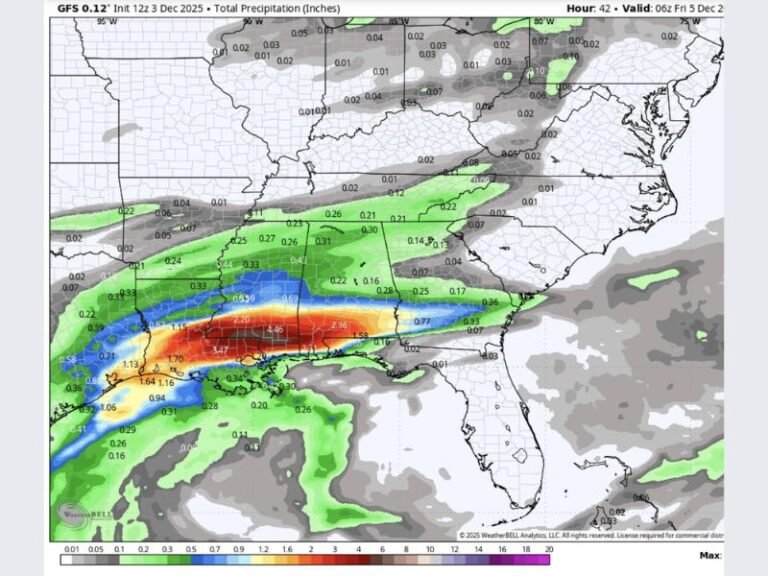
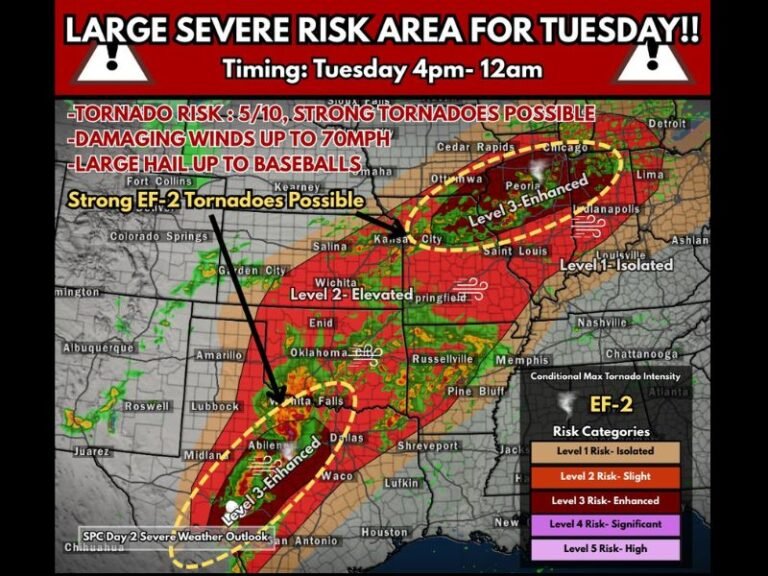
UNITED STATES — Emergency weather officials are urging millions across the Southern United States to stay vigilant as the region enters its annual period of elevated January tornado risk. A newly released map highlights a broad swath of the Gulf Coast, Lower Mississippi Valley, and Southeast where tornado activity historically spikes during the first month of the year.
Meteorologists emphasize that while January is classified as winter, the South frequently experiences spring-like severe weather, including fast-forming tornadoes, nighttime storm clusters, and dangerous wind bursts.
South Remains a January Tornado Hotspot
According to historical data visualized in the new risk map, the highest-threat zone includes:
- Eastern Texas
- Louisiana
- Southern Arkansas
- Mississippi
- Alabama
- Georgia
- Florida Panhandle
These areas experience conditions conducive to severe storms even in mid-winter: warm Gulf moisture, active jet stream patterns, and frequent passing storm systems.
Meteorologists warn that January tornadoes are often fast, erratic, and difficult to detect early — making timely alerts and preparedness critical.
Nighttime Storms Pose Added Danger
Officials note that many winter tornadoes in the South occur after dark, catching residents off guard.
These storms may:
- Intensify rapidly
- Strike while residents are asleep
- Produce damaging winds without much warning
- Move at high speeds across multiple counties
Because of this, meteorologists stress the importance of having immediate alerts, not relying solely on smartphone apps that may lag behind real-time warning systems.
Forecasters Emphasize Preparedness
Residents across the highlighted risk zone are urged to take simple but crucial precautions, especially as severe weather season unofficially begins:
- Keep clothes and shoes beside the bed in case a nighttime warning is issued
- Know the safest room in your home (interior, no windows, lowest level)
- Review local shelter options
- Ensure weather radios and alert systems are active
- Avoid assuming winter weather means low tornado activity
Officials warn that January storms can “snatch your roof and your dignity at the same time,” underscoring the unpredictable nature of early-season tornado setups.
Why January Tornadoes Happen
Despite cooler temperatures elsewhere in the country, the Gulf region often retains enough warm, moist air to fuel severe weather. When paired with strong upper-level winds and passing cold fronts, the setup becomes favorable for rotating thunderstorms.
Historically, January has produced significant tornado outbreaks across the South — and forecasters say similar setup patterns will remain possible through early 2026.
Stay informed with severe weather updates, preparedness tips, and regional alerts at SaludaStandard-Sentinel.com, especially as winter storm patterns evolve.