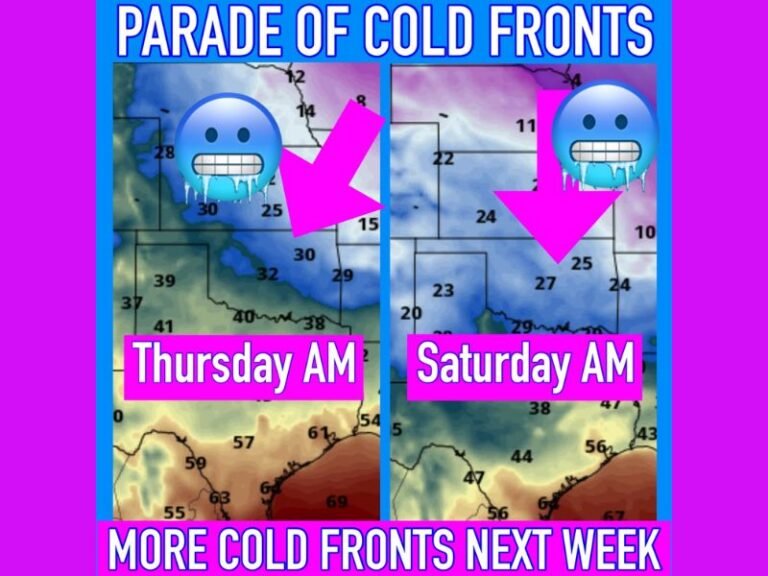
Arctic Air Outbreak Threatens Alabama, Georgia, Tennessee, and the Carolinas as January 18 Forecast Signals Potential Southeast Winter Storm
SOUTHEASTERN UNITED STATES — A powerful and unusually aggressive winter weather setup is taking shape for mid-January, with multiple forecast models now aligning on a major Arctic air intrusion that could bring disruptive snow and dangerous cold to parts of the Southeast beginning around January 18.
Meteorologists monitoring the latest GFS, European, and Canadian model runs say confidence is growing that this will not be a minor or short-lived cold snap. Instead, the pattern suggests a deeply entrenched Arctic air mass pushing far south, coinciding with an active storm track capable of producing significant winter precipitation in areas that rarely see snow.
Forecast Models Show Rare Agreement on Arctic Air Push
Weather analysts note that the most concerning aspect of this setup is the rare agreement across all major global models. While each model has its own biases and tendencies, all are currently signaling the same core outcome: Arctic air plunging southward into the Deep South and Southeast, with cold air firmly established ahead of potential storm development.
This alignment significantly increases confidence that the cold air will arrive as projected, regardless of eventual snowfall totals or exact storm placement.
States Most at Risk Include the Carolinas, Georgia, Alabama, and Tennessee
Based on the current data, the areas most vulnerable to winter impacts include:
- North and Central Alabama
- North Georgia
- Tennessee
- North and South Carolina
These regions sit in a zone where cold air could already be in place when moisture arrives, creating a window for snow or mixed winter precipitation rather than rain. Forecasters caution that even modest snowfall in these states can result in major travel disruptions, power outages, and hazardous road conditions due to limited winter infrastructure.
Cold Air Expected to Be Deep, Persistent, and Slow to Retreat
Unlike marginal cold events where temperatures briefly dip and rebound, this setup points to deep Arctic air becoming established and lingering. Model projections show the cold air mass holding firm, increasing the risk that any incoming storm system will interact directly with sub-freezing temperatures at the surface.
This persistence raises concerns for:
- Prolonged icy road conditions
- Burst pipes and utility strain
- Elevated risk for vulnerable populations
Timing Will Determine Whether Snow Becomes Widespread
Meteorologists emphasize that timing remains the critical factor. If storm energy aligns perfectly with the cold air, parts of the Southeast could see significant snowfall rather than flurries or cold rain. While it is still too early to assign precise snow totals, experts warn that the atmospheric setup is consistent with high-impact winter storms seen in the region every few years, rather than routine cold snaps.
Officials Urge Residents to Prepare Ahead of Time
Emergency planners and weather officials urge residents across the Southeast to begin preparations now, especially those in historically vulnerable areas.
Recommended steps include:
- Monitoring forecast updates daily
- Preparing vehicles and travel plans
- Ensuring heating systems are functional
- Protecting exposed plumbing
- Checking on elderly neighbors and family members
Forecast Confidence Continues to Increase
While details will continue to evolve, meteorologists stress that this is not a hype-driven forecast. Instead, it reflects a consistent signal across multiple respected forecasting systems.
As January 18 approaches, forecasters expect refinements in storm placement and precipitation type, but confidence is growing that winter weather will make a serious appearance across parts of the Southeast. Residents are encouraged to stay alert and treat this developing situation with caution as updates continue.