Extreme Arctic Cold Could Trigger “Exploding Tree” Risk Across North Dakota, South Dakota, Minnesota, Wisconsin, Iowa, and Michigan Late This Week
UNITED STATES — A surge of dangerous Arctic air is expected to grip large portions of the Midwest and Northern Plains late this week, raising concerns over a lesser-known but real cold-weather hazard known as “exploding trees.” Meteorologists warn that temperatures falling 20 degrees below zero could cause trees to split suddenly, posing risks to people, homes, vehicles, and power lines across North Dakota, South Dakota, Minnesota, Wisconsin, Iowa, and Michigan.
What Meteorologists Mean by “Exploding Trees”
Despite the dramatic name, exploding trees are not a myth. When extreme cold sets in rapidly, moisture inside a tree can freeze and expand faster than the wood can adjust. This creates internal stress that can cause loud cracking sounds or sudden splits, sometimes powerful enough to resemble an explosion.
This phenomenon is most common during intense Arctic outbreaks, especially when temperatures plunge well below zero after milder conditions.
Why This Cold Outbreak Raises Red Flags
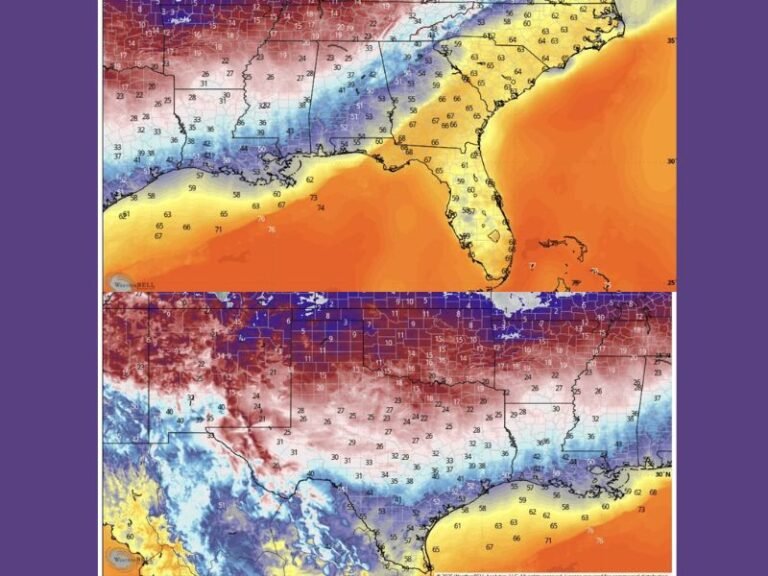
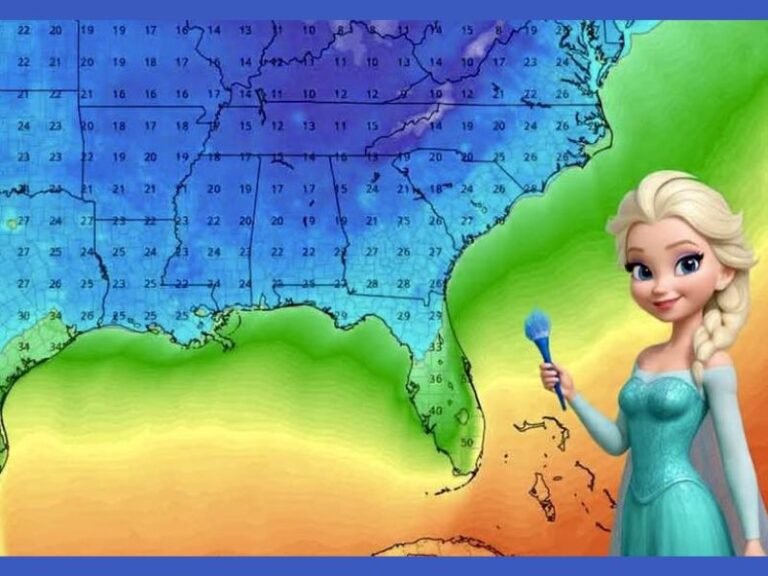
Forecast guidance shows overnight lows dropping to -20°F or colder in parts of the Northern Plains and Upper Midwest from Friday into Saturday. In addition, wind chills may fall even lower, accelerating the freezing process inside trees.
Meteorologists note that older trees, water-heavy species, and trees already stressed by drought or disease are especially vulnerable. Rapid temperature drops, rather than prolonged cold alone, are the key trigger.
Areas Facing the Highest Risk
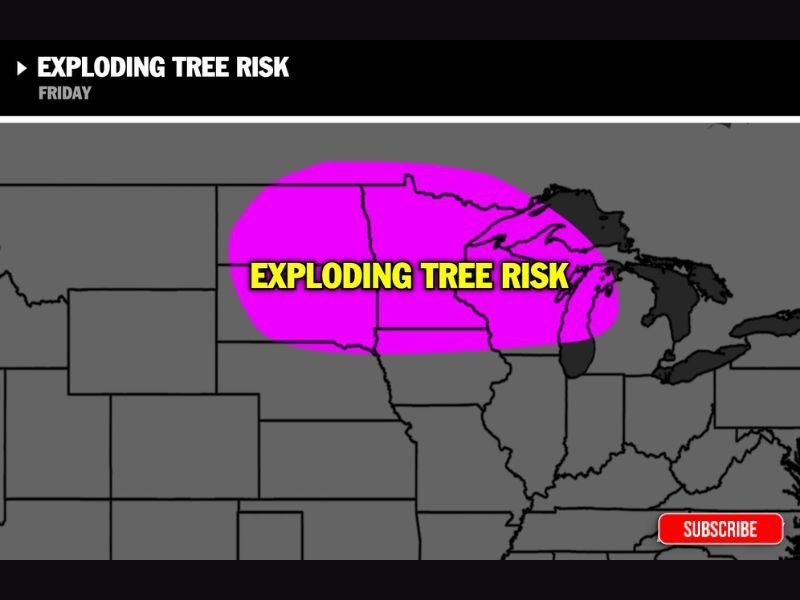
Based on current data, the highest exploding tree risk zone stretches across:
- North Dakota and South Dakota
- Central and northern Minnesota
- Northern Wisconsin
- Parts of Iowa
- Interior Michigan
Urban areas are not immune. Trees near homes, sidewalks, parked vehicles, and power lines can fail without warning during the coldest overnight hours.
Additional Hazards Tied to Tree Failures
Exploding or splitting trees can lead to secondary dangers, including:
- Downed power lines and localized outages
- Blocked roads or driveways
- Falling limbs causing property damage
- Injury risk for anyone outdoors during extreme cold
When combined with bitter wind chills, these conditions make outdoor exposure particularly dangerous.
How to Stay Safe During Extreme Cold
Officials recommend limiting time outdoors during the coldest periods, especially overnight and early morning. Residents should avoid standing or parking vehicles beneath large trees and be alert for unusual cracking or popping sounds, which may signal imminent tree failure.
Pet owners and farmers are urged to protect animals, as prolonged exposure to subzero temperatures can be life-threatening.
Why This Event Deserves Attention
Meteorologists stress that this level of cold is not typical and carries risks beyond frostbite and hypothermia. The combination of rapid temperature drops and extreme lows makes this outbreak particularly hazardous, even for regions accustomed to winter weather.
Have you ever witnessed trees splitting or cracking during extreme cold in your area? Share your experience and stay informed with continued updates at SaludaStandard-Sentinel.com.