Sudden Stratospheric Warming Weakens Polar Vortex High Above Earth, Potentially Fueling Severe Storms and Tornado Outbreaks Across the United States
UNITED STATES — Scientists and meteorologists are closely watching a major atmospheric event that occurred high above Earth, where a sudden stratospheric warming event weakened the polar vortex roughly 20 miles above the planet’s surface.
Experts say this disruption in the upper atmosphere can ripple downward through the weather system, potentially influencing the jet stream and triggering unusual weather patterns across large parts of the United States.
When these events occur, the normally stable circulation around the Arctic can weaken or shift, causing the jet stream to bend and ripple as it moves across the globe.
How Stratospheric Warming Can Affect Weather Below
Sudden stratospheric warming events happen when temperatures in the upper atmosphere rapidly rise, disrupting the powerful winds that normally circle the polar region.
When the polar vortex weakens, the jet stream below can begin to shift, bend, and create large waves across the atmosphere.
These waves allow cold Arctic air and warm southern air masses to collide, creating the kind of unstable environment that can lead to major weather events.
Meteorologists say those collisions can release enormous amounts of atmospheric energy, which fuels storms.
Clashing Air Masses Can Trigger Severe Weather
When warm and cold air masses collide along these jet stream ripples, the atmosphere can become highly unstable.
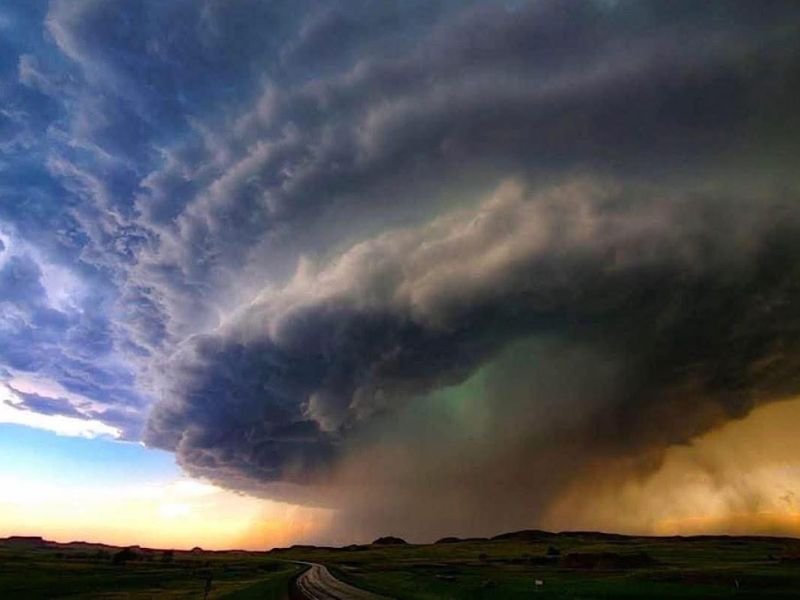
That instability often leads to powerful storm systems capable of producing tornadoes, severe thunderstorms, and dramatic temperature swings.
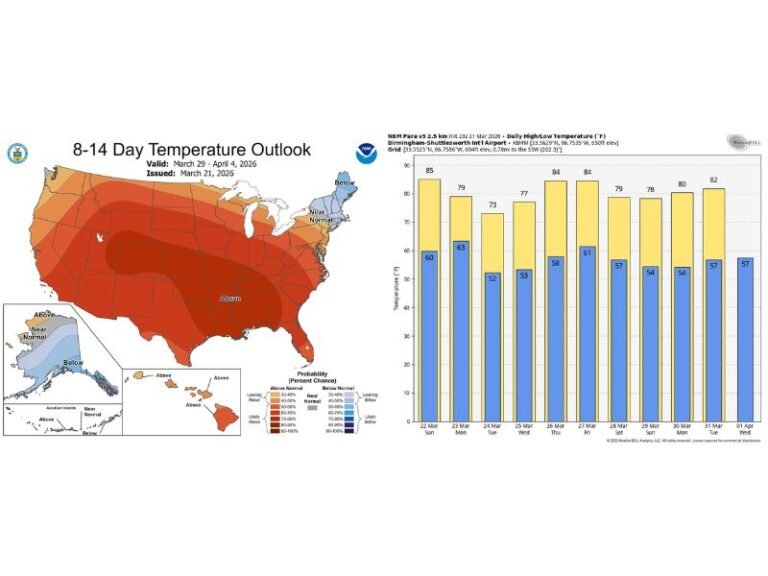
Recent severe weather across parts of the central United States has already demonstrated how volatile these atmospheric conditions can become when the jet stream pattern shifts.
Meteorologists say these large-scale atmospheric changes may also lead to unusual weather patterns that persist for days or even weeks.
Storm Energy Builds as Atmospheric Pattern Shifts
As the jet stream bends across the country, it can create corridors where storm systems repeatedly develop.
These patterns can bring multiple rounds of severe weather, including damaging winds, large hail, and tornado outbreaks.
In some cases, the same atmospheric setup can also cause dramatic temperature changes as warm air surges north while colder air pushes south.
Forecasters say that while not every severe weather event is directly caused by stratospheric warming, these atmospheric shifts can create conditions that make powerful storms more likely.
Meteorologists Continue Monitoring the Pattern
Weather experts continue to study the evolving atmospheric pattern to determine how long the impacts of the weakened polar vortex may last.
Because these events occur high above the surface, their effects can take time to fully influence weather patterns closer to the ground.
Still, meteorologists say the connection between the upper atmosphere and weather on the surface highlights how events occurring miles above Earth can reshape the storms people experience below.
Residents across the United States are encouraged to stay informed as forecasters continue monitoring evolving weather patterns in the coming days.
If you are experiencing unusual weather patterns or severe storms in your area, share your reports with our newsroom at SaludaStandard-Sentinel.com as we continue tracking weather developments across the United States.