Snow Squalls and Lake-Effect Bands Create Dangerous Travel Conditions Across Michigan, Ohio, Pennsylvania, and New York Near the Great Lakes
MICHIGAN — Snow squalls and persistent lake-effect snow bands are impacting large portions of the Great Lakes region today, January 15, creating sudden whiteout conditions and extremely hazardous travel across parts of Michigan, Ohio, Pennsylvania, and western New York, according to weather officials. Drivers across affected corridors are being urged to use extreme caution as visibility can drop to near zero in minutes.
Snow Squalls Trigger Rapid Visibility Drops
Snow squalls are fast-moving, intense bursts of snowfall capable of producing near-whiteout conditions in a very short time. Unlike long-duration snowstorms, these squalls can appear suddenly with little warning, especially along highways near the Great Lakes, where cold air flowing over warmer lake waters fuels intense snow bands.
Forecasters warn that visibility may drop dramatically within seconds, making it difficult for drivers to react safely. Roads that appear merely wet can quickly become snow-covered and slick as squalls move through.
Lake-Effect Snow Intensifying Near the Great Lakes
Lake-effect snow bands remain active near Lakes Superior, Michigan, Erie, and Ontario, impacting nearby communities across Michigan, northern Ohio, northwest Pennsylvania, and western New York. These narrow but powerful bands can dump heavy snow over localized areas while nearby locations see much lighter snowfall.
Travel conditions within lake-effect zones can vary sharply over short distances, increasing the risk for accidents, especially during peak travel hours.
Highways and Commuters Face Elevated Risk
Weather officials emphasize that snow squalls are particularly dangerous for drivers already on the road. Interstate corridors and rural highways are especially vulnerable, where sudden whiteouts may leave little time to slow down safely.
Motorists traveling through the Ohio Valley, Great Lakes region, and Appalachians are advised to stay alert for rapidly changing conditions, even if skies appear clear ahead.
Safety Guidance for Drivers Caught in Snow Squalls
If travel is unavoidable and a snow squall develops, officials recommend the following safety steps:
- Slow down immediately and avoid sudden braking
- Turn on low-beam headlights and hazard lights to improve visibility
- Increase following distance between vehicles
- If necessary, pull over safely and move as far from the roadway as possible
- Delay travel entirely if Snow Squall Warnings are issued
Snow squalls can create conditions similar to severe thunderstorms but during winter, making preparation and caution critical.
What to Expect Through the Rest of the Day
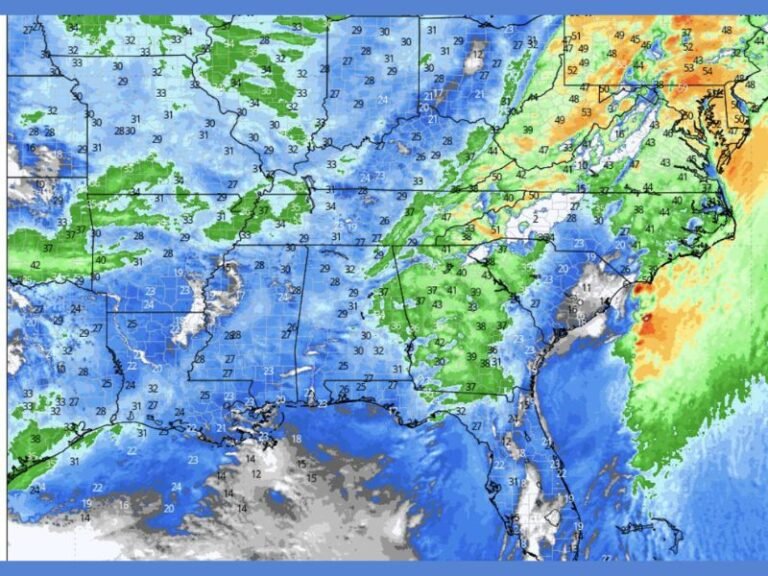
Snow squalls and lake-effect snow bands are expected to continue through the day across portions of the Great Lakes region, Ohio Valley, and Appalachians. While snowfall amounts may vary, the primary concern remains sudden whiteouts and rapidly deteriorating road conditions.
Residents are encouraged to monitor local forecasts closely and adjust travel plans as needed.
What do you think — have you encountered snow squalls on the road before, or are conditions already deteriorating in your area? Share your experience and stay updated with the latest weather coverage at SaludaStandard-Sentinel.com.