Hazardous Arctic Air Expected to Bring Dangerous Cold to North Carolina, South Carolina, Georgia, Tennessee, and Virginia From December 13–16
SOUTHEAST UNITED STATES — A surge of dangerously cold Arctic air is expected to spread across the Southeast and Mid-Atlantic from December 13–16, with federal forecasters issuing hazardous temperature outlooks for much of the region. The Climate Prediction Center (CPC) and long-range model guidance indicate that temperatures may plunge into the teens and twenties, with some locations at risk for potentially hazardous wind chills.
CPC Flags Areas of Concern as Models Signal Sharp Decline in Temperatures
Forecast maps released by the CPC highlight a moderate risk zone for hazardous temperatures across areas of the Ohio Valley and Central Appalachians between December 14–15, with a slight risk zone extending into parts of the Carolinas, Tennessee, Georgia, and northern Alabama through December 16.
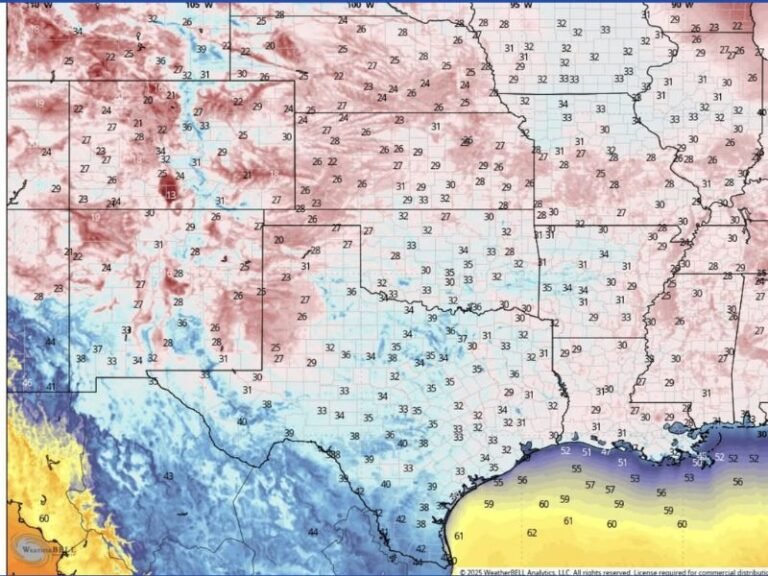
Supporting model runs from the GFS show widespread temperature drops across the eastern half of the United States, with much of the Southeast projected to fall well below seasonal averages. Some forecast graphics depict temperature anomalies ranging from 15 to 25 degrees below normal, indicating a strong Arctic intrusion.
Regions highlighted to experience the sharpest impacts include:
- Western and central North Carolina
- Upstate South Carolina
- Northern Georgia
- Eastern Tennessee
- Southwest Virginia
These areas may experience overnight lows cold enough to threaten exposed pipes, outdoor pets, and sensitive vegetation.
Wind Chills May Increase the Threat of Dangerous Conditions
While actual temperatures will vary, forecasters warn that wind chills may amplify the danger, potentially lowering perceived temperatures into the single digits in higher elevations or wind-prone locations. Meteorologists emphasize that this outbreak is not a routine cold snap but a high-impact Arctic event that residents should take seriously.
Residents Urged to Prepare Ahead of the Coldest Days
Emergency officials advise taking immediate steps to reduce risks once the cold arrives. Recommended preparations include:
- Protecting exposed or outdoor pipes
- Bringing pets indoors
- Safeguarding plants and sensitive vegetation
- Checking on elderly or vulnerable neighbors in drafty homes
Additionally, heating systems should be inspected to ensure they are functioning safely before temperatures plummet.
Bottom Line: Significant Cold Expected, With Elevated Risk Across the Southeast
Meteorologists caution that this cold outbreak is shaping up to be one of the strongest early-season Arctic surges for the region. With CPC hazard outlooks aligning with long-range model data, confidence is increasing in a period of dangerous cold from December 13–16.
Residents across the Southeast and Mid-Atlantic are encouraged to stay alert to updated forecasts as the event approaches.
How is your community preparing for this incoming Arctic cold? Share your experience and stay updated with continuing coverage at SaludaStandard-Sentinel.com.