Dallas–Fort Worth Metro Area Surpasses 36 U.S. States in Population, With 8.3 Million Residents Now Calling the Region Home
DALLAS–FORT WORTH, TEXAS — The Dallas–Fort Worth metroplex is no longer just one of America’s fastest-growing regions — it is now larger in population than the majority of U.S. states.
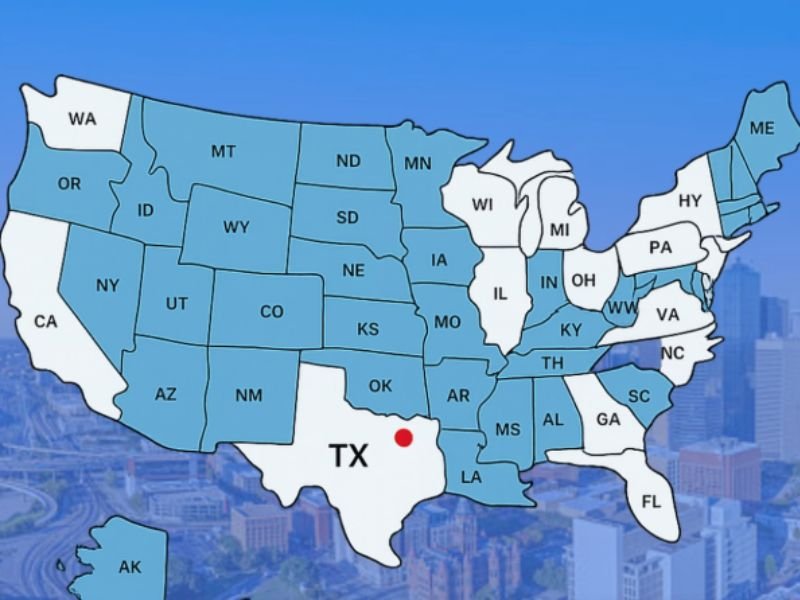
With an estimated 8.3 million residents, the DFW area now surpasses at least 36 states in total population, underscoring the explosive growth reshaping North Texas and redefining the scale of American metropolitan regions.
Bigger Than Entire States
To put the number into perspective, Dallas–Fort Worth now has more residents than states such as:
- Alabama (5.15 million)
- South Carolina (5.37 million)
- Colorado (5.9 million)
- Wisconsin (5.91 million)
- Missouri (6.2 million)
- Indiana (6.86 million)
- Massachusetts (7.02 million)
- Arizona (7.6 million)
Even traditionally populous states like Minnesota, Maryland, and Oklahoma trail behind the DFW metro area.
Smaller states including Alaska (733,000), Vermont (650,000), Wyoming (585,000), North Dakota (790,000), and Rhode Island (1.1 million) represent only a fraction of DFW’s population footprint.
A Metropolitan Giant in the Making
The Dallas–Fort Worth region’s rapid growth has been fueled by:
- Major corporate relocations
- Expanding job markets
- Affordable housing compared to coastal metros
- Continued infrastructure development
As more businesses and families migrate to Texas, the metroplex has evolved into one of the largest economic engines in the country.
What This Means Nationally
The fact that a single metro area now outpaces the majority of U.S. states in population highlights a broader national trend: major metropolitan regions are increasingly rivaling — and even surpassing — entire states in scale and economic influence.
With 8.3 million residents, Dallas–Fort Worth is not just growing — it is operating at a scale comparable to some of America’s largest population centers.
As migration patterns continue to favor Sun Belt cities, DFW’s influence in business, politics, transportation, and housing markets is expected to grow even further in the coming years.
What are your thoughts on rapid population growth in major metro areas? Share your perspective with us at SaludaStandard-Sentinel.com.