Category 1 Hurricane Imelda Rolling Toward Bermuda May Become Category 2, Windy in North Carolina
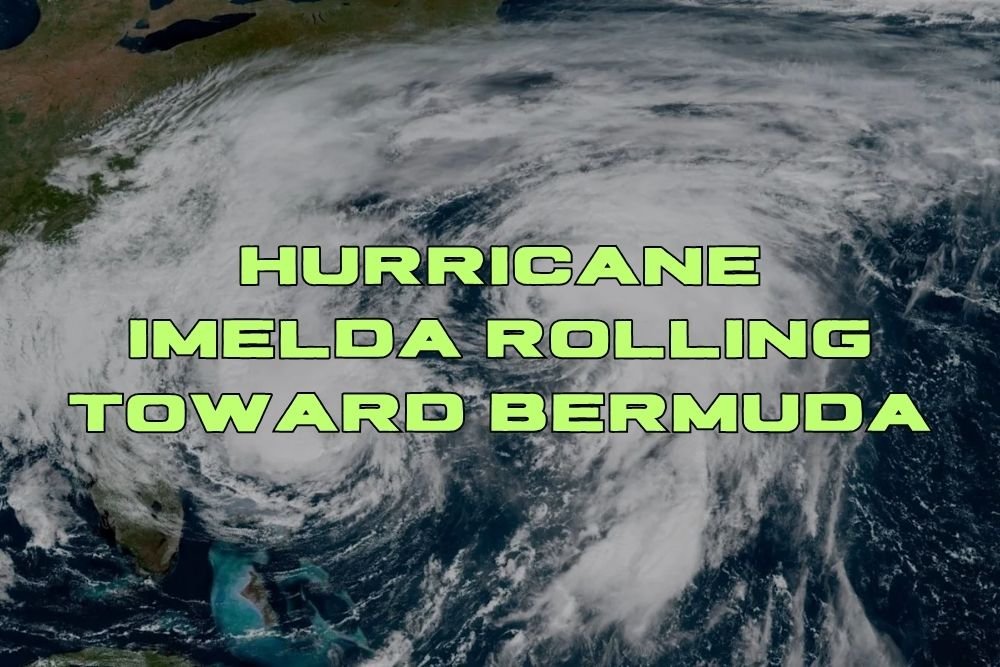
RALEIGH, NORTH CAROLINA — Hurricane Imelda is tracking northeast toward Bermuda as a Category 1 storm, with forecasters warning it could strengthen into a Category 2 hurricane by Wednesday. While Bermuda faces the highest risk, residents along the North Carolina coast and inland communities are still dealing with gusty winds and lingering tropical effects.
Bermuda Braces for Direct Impact
The National Hurricane Center said Imelda is on a collision course with Bermuda, where torrential rainfall and hurricane-force winds are expected to arrive midweek. The storm is projected to bring dangerous surf, flooding rains, and wind gusts that could intensify as the system strengthens over warm Atlantic waters.
Meteorologists noted that Imelda has the potential to deliver sustained winds near 100 mph, posing a serious threat to the island.
North Carolina Feels Lingering Winds
Although the worst of the storm is steering east, North Carolina beaches and inland towns continue to experience breezy conditions. The Piedmont Triad, including Winston-Salem, Greensboro, and Raleigh, saw scattered showers and gusts of up to 30 mph on Tuesday.
“Conditions are improving, but gusty winds will persist through Thursday,” meteorologists said, adding that coastal swells from both Imelda and Hurricane Humberto will keep rip current risks elevated.
Comparison to Past Storms
Residents in the North Carolina mountains had initially feared heavy flooding, but the storm’s eastward track spared inland communities from another disaster like Hurricane Helene in 2024, which caused catastrophic floods. Officials noted this outcome was a “much better scenario” for the state.
Meanwhile, Hurricane Humberto intensified into the second Category 5 storm of the 2025 season, a reminder of how active and dangerous this Atlantic season has been.
Preparing for Peak Hurricane Season
Forecasters are reminding North Carolina residents that September and October are historically the busiest months of hurricane season. Preparedness is key, as storms can change track or strengthen quickly.
Emergency officials urge families to:
- Review evacuation routes and emergency plans.
- Keep an updated supply kit with water, flashlights, batteries, and medications.
- Protect important documents in case of flooding.
The Atlantic hurricane season runs through November 30, and officials stress that vigilance remains essential across the Carolinas.
Hurricane Imelda is expected to accelerate east-northeast on Wednesday, delivering its full force to Bermuda, while North Carolina transitions back to calmer conditions.
Do you live along the North Carolina coast or inland communities impacted by tropical winds? Share your experiences and preparation tips in the comments at SaludaStandard-Sentinel.com.