Alabama Avoids Snow and Ice Through Mid-January but Colder Air Expected to Arrive January 12–16
ALABAMA — Forecast data shows no meaningful threat of snow or ice across Alabama through mid-January, even as winter weather risks increase across other parts of the United States. Long-range ensemble guidance indicates that wintry precipitation probabilities remain very low for the state through at least January 19, keeping Alabama out of any significant snow or ice scenarios.
While frozen precipitation is unlikely, a notable temperature shift is expected next week, bringing colder air into the region.
Snow And Ice Probabilities Remain Minimal
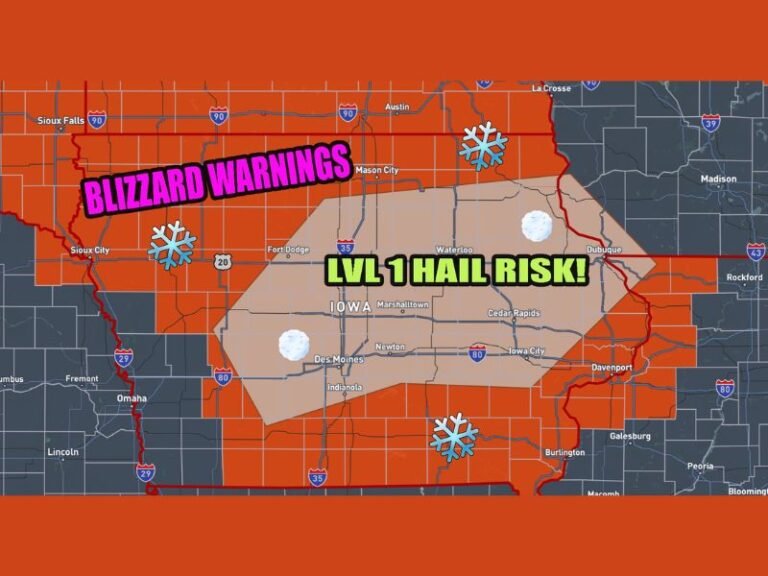
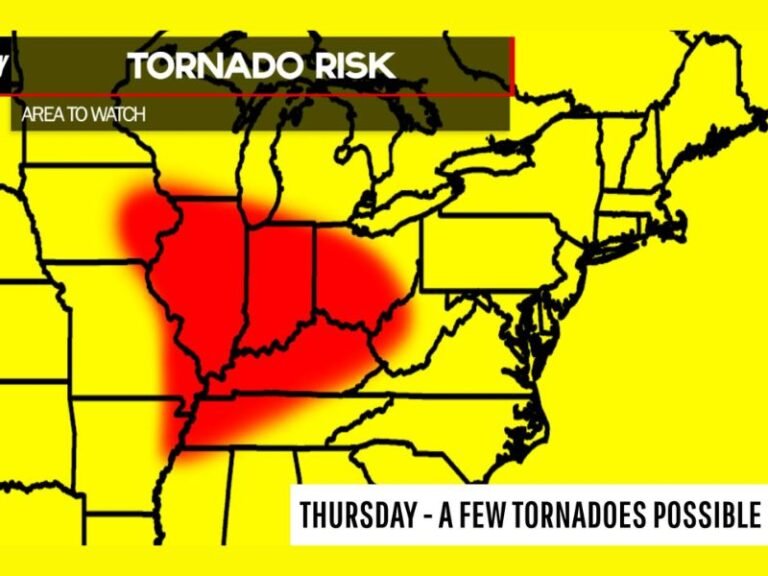
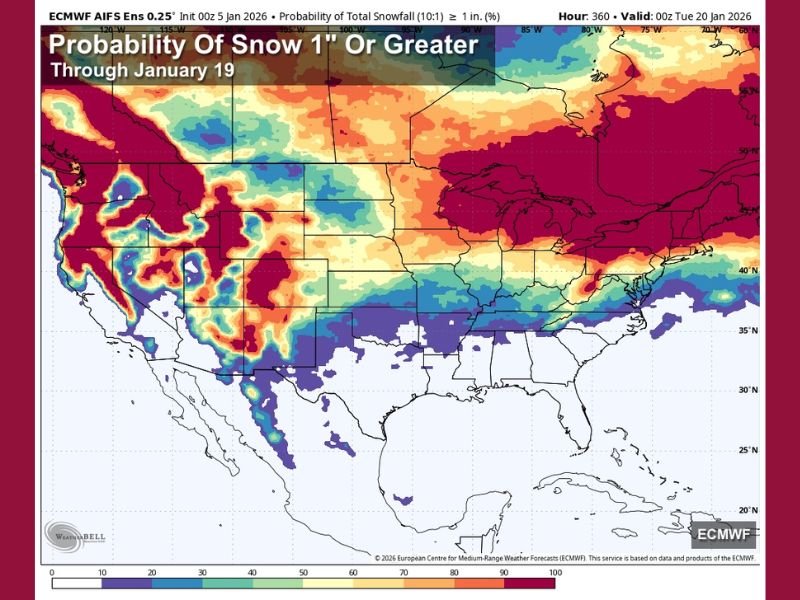
According to ensemble snowfall probability data, Alabama remains in the lowest probability zone for one inch of snow or greater through mid-January. The strongest snow signals remain well north and west of the state, focused across the Midwest, Great Lakes, and parts of the Northeast.
Southern states closer to the Gulf Coast, including Alabama, show little to no ensemble agreement supporting snow or ice accumulation during this period.
Colder Temperatures Expected January 12–16
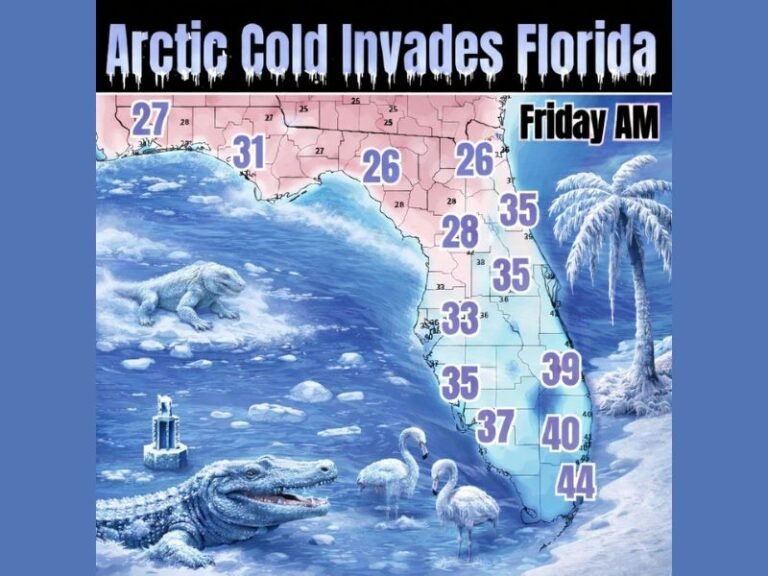
Although wintry precipitation is not expected, temperatures are forecast to turn noticeably colder next week, particularly during the January 12–16 window. This cooling trend reflects a broader shift in the upper-level pattern that allows colder air to move deeper into the Southeast, even without moisture aligning for snow or ice.
Residents should expect below-recent-average temperatures, especially during overnight and early morning hours.
Winter Pattern Favors Cold Without Frozen Precipitation
The current setup suggests Alabama will experience a cold but dry winter phase, where temperatures fall but storm systems fail to align with cold air. This is a common winter outcome for the Deep South, where timing differences often prevent snow despite colder conditions.
At this time, no high-impact winter weather events are indicated for Alabama through mid-January.
What Residents Should Know
While travel-disrupting snow and ice are unlikely, colder temperatures may still impact heating demand, outdoor activities, and vulnerable populations. Residents are encouraged to prepare for colder mornings while remaining aware that winter patterns can change quickly later in January.
SaludaStandard-Sentinel.com will continue monitoring any shifts that could bring winter weather risks closer to Alabama.