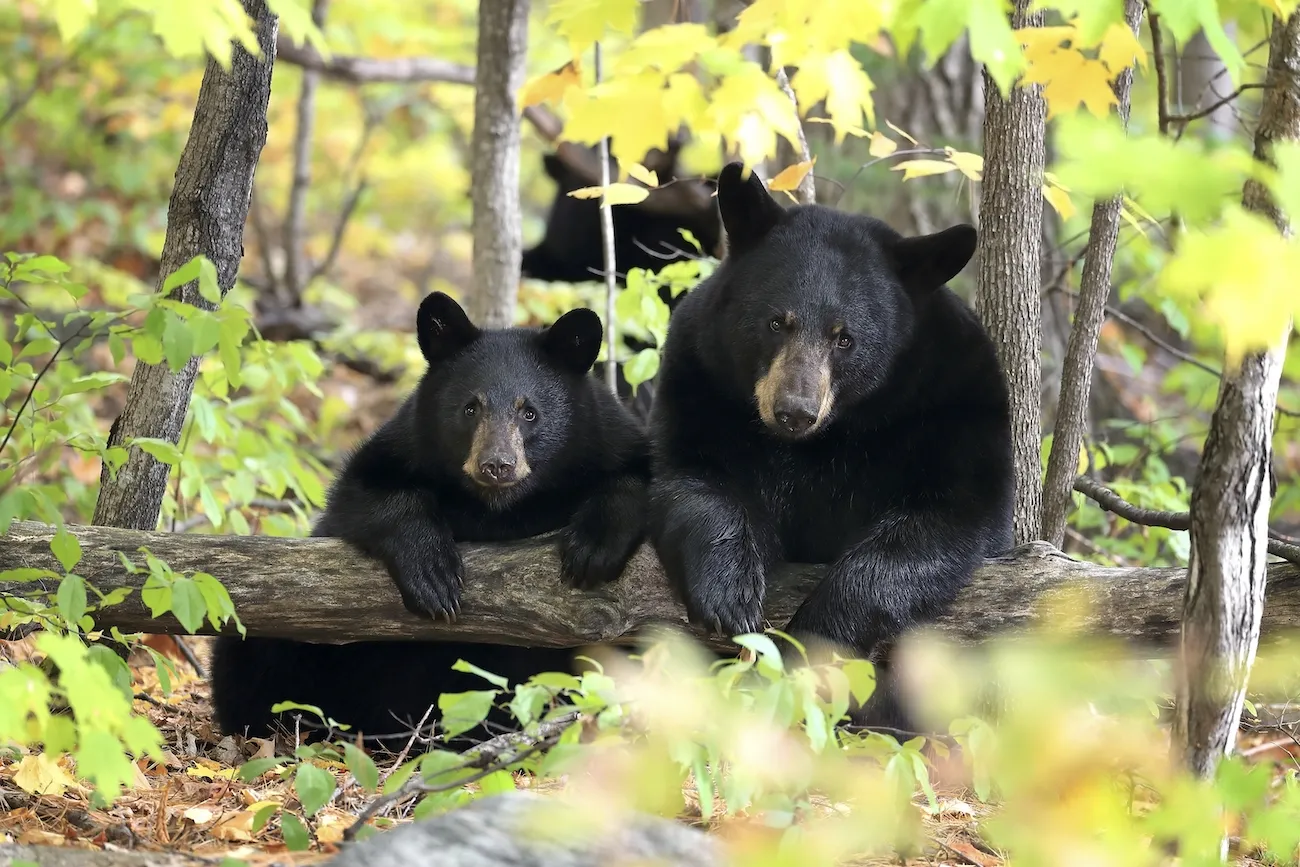
Why Black Bears Are Thriving Along North Carolina’s Coast
COASTAL NORTH CAROLINA — Black bears, once pushed to the edge of extinction in North Carolina, are now thriving along the state’s coastal plain — and they are some of the largest in the world.
From Decline to Recovery
Throughout much of the 20th century, unregulated hunting and habitat loss confined black bears to isolated pockets of swamp forest and mountain terrain. That changed in the 1970s, when the state created bear sanctuaries, stricter management policies, and public education efforts. Since then, bear numbers have surged back.
Today, an estimated 20,000 black bears roam North Carolina, with more than half living in the east.
Why Coastal Bears Thrive
Eastern North Carolina offers ideal bear habitat, including vast protected lands such as the Holly Shelter Game Land in Pender County and the Alligator River National Wildlife Refuge near the Outer Banks. Combined with an abundant food supply of farm crops, nuts, berries, and coastal vegetation, the region allows bears to grow to record sizes.
In fact, some of the world’s largest black bears live in North Carolina’s coastal plain.
The resurgence has also fueled a booming hunting season, with more than 4,500 bears harvested statewide in 2023. Hyde County alone reported 288 bears taken by hunters, leading the state.
Feeding Frenzy Before Winter
As fall approaches, bears enter hyperphagia — a stage of extreme appetite. They consume up to three pounds of food daily, doubling their body weight in preparation for hibernation.
This feeding drive, however, also increases human-bear encounters, including roadway collisions and conflicts over garbage and crops.
Will They Hibernate?
Unlike mountain bears, coastal bears face warmer winters. While females often den for longer periods to give birth, males may hibernate only briefly or not at all if food remains accessible. Some bears den in tree cavities, thick vegetation, or even under abandoned human structures.
Wildlife officials warn that a warming climate could further shorten or eliminate hibernation periods, heightening conflict risks with people.
North Carolina’s coastal black bears are a conservation success story — but they also represent the challenges of managing wildlife in a changing climate.
Do you think more needs to be done to balance human development and bear habitats along the coast? Share your views with us at SaludaStandard-Sentinel.com.