Arizona’s Yuma Desert Hits 110 Degrees Setting New Record for Hottest March Day Ever Recorded in United States History
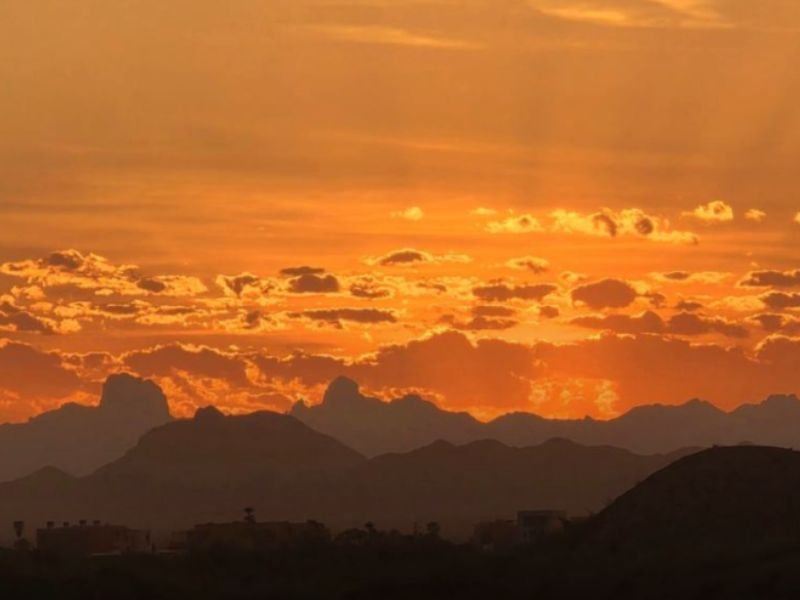
ARIZONA — A desert community near Martinez Lake in the Yuma Desert has shattered records after temperatures soared to 110 degrees, marking the hottest March day ever recorded in United States history.
The extreme heat event has drawn national attention as it highlights an unusually intense early-season temperature surge across the Southwest.
Historic Heat Record Broken in Yuma Desert
The temperature reading of 110°F near Martinez Lake has officially set a new benchmark for March heat in the United States. This record-breaking figure surpasses previous highs for the month, making it one of the most significant early-season heat events ever documented.
Yuma, already known as one of the sunniest and hottest places in the country, rarely sees temperatures this extreme so early in the year. March typically brings warm but manageable conditions, not peak summer-like heat.
This unprecedented spike has stunned meteorologists and residents alike, as it signals a dramatic departure from seasonal norms.
Unusual Early-Season Heat Raises Concerns
The timing of this heat event is particularly concerning, as it arrives weeks before the typical onset of extreme summer temperatures in Arizona.
Such early-season heat waves can place additional stress on infrastructure, increase energy demand, and pose health risks for residents who may not yet be acclimated to triple-digit temperatures.
Experts warn that prolonged heat this early in the year could also dry out vegetation faster, increasing the risk of wildfires across already vulnerable desert regions.
Conditions Near Martinez Lake Amplified Extreme Temperatures
The record was recorded in a desert community just outside Martinez Lake, an area known for its arid landscape and minimal vegetation.
Clear skies, strong solar radiation, and dry air combined to create ideal conditions for rapid temperature escalation. These factors allowed temperatures to climb far beyond typical March averages.
Desert terrain often amplifies heat during the day, but reaching 110°F in March is an extraordinary occurrence even for regions like Yuma.
Residents Urged to Take Heat Precautions
Officials are urging residents and visitors in the area to take precautions as extreme heat can quickly become dangerous.
Staying hydrated, avoiding outdoor activities during peak afternoon hours, and checking on vulnerable individuals are key steps to reduce heat-related risks.
With temperatures reaching levels more common in peak summer, the sudden shift serves as a reminder of how quickly conditions can become hazardous.
Early Heat Event Signals Potential Trend Heading Into Summer
While a single record does not define an entire season, events like this often raise concerns about what the coming months could bring.
Meteorologists are closely watching whether this extreme heat is an isolated spike or part of a broader pattern that could lead to a hotter-than-average summer across the Southwest.
For now, the focus remains on the immediate impacts and ensuring public safety as communities adjust to unusually high temperatures.
If you are experiencing extreme heat in your area or have noticed unusual weather patterns, share your experience with us. Stay connected with SaludaStandard-Sentinel.com for continued coverage of breaking weather events across the country.