Colorado, Nebraska and Denver Metro Face Rising Wildfire Risk as Drought, Wind and Fire Danger Push Urgent Call for Evacuation Plans
COLORADO — Growing concerns over drought, persistent wind, and increasing wildfire danger are prompting urgent warnings across Colorado and parts of Nebraska, as officials and experts stress the importance of having an evacuation plan in place.
With dry conditions intensifying and fire risks already impacting communities, including recent deadly incidents in Nebraska, the situation is becoming a serious concern heading into spring and summer.
Dry Conditions and Wind Driving Elevated Fire Danger
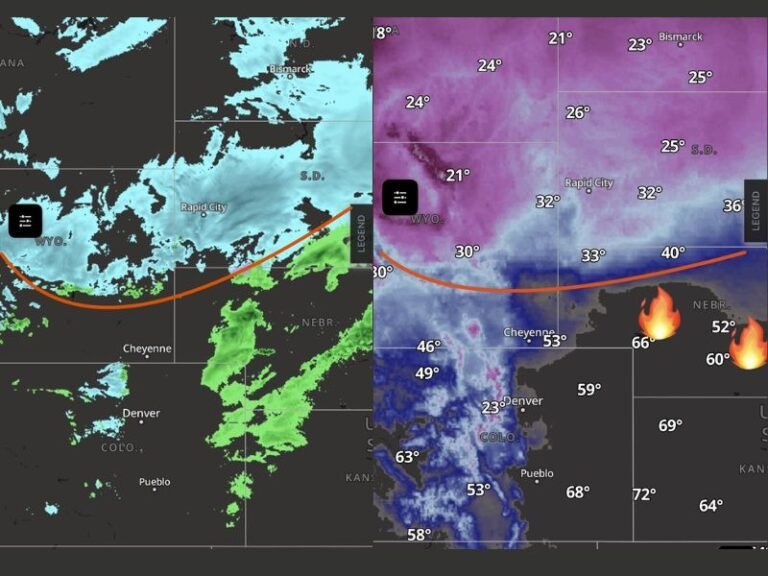
Across Colorado and neighboring regions, the combination of dry weather and unusually frequent windy days is creating a dangerous setup for wildfires.
Experts note that climate patterns have shown an increase in the number of windy days annually since around 1990, amplifying fire risk across already dry landscapes. These conditions allow fires to spread faster and become more difficult to control once they ignite.
The transition from winter into spring has done little to ease concerns, with drought conditions continuing to dominate and vegetation remaining highly flammable.
Recent Fires Highlight Growing Threat Across Region
Wildfires are not just a theoretical risk—recent incidents have already demonstrated how quickly situations can escalate. In Nebraska, fires have led to tragic loss of life, underscoring the severity of the current conditions.
In Colorado, past fires have burned hundreds of thousands of acres, threatening homes and forcing evacuations. Officials emphasize that these events are becoming more frequent and more intense due to environmental conditions.
Communities across the region are being reminded that wildfire season is no longer limited to summer months and can begin much earlier under the right conditions.
Denver Metro Among Areas at Risk in Urban-Wildland Zones
The Denver metro area is facing particular concern due to its location along the urban-wildland interface, where residential neighborhoods meet fire-prone open land.
Officials estimate that roughly 70,000 homes in the region fall within this high-risk zone. These homes are especially vulnerable to fast-moving fires, particularly during windy conditions.
Experts are urging homeowners to create defensible space around their properties, recommending at least 30 feet of clearance by removing dry vegetation, cleaning gutters, and eliminating flammable materials near structures.
Emergency Preparedness Becomes Critical as Risk Grows
Authorities stress that preparation is the most effective way to reduce risk and improve survival during wildfire events. Residents are being urged to develop evacuation plans now rather than waiting until a fire is already nearby.
Preparedness includes knowing evacuation routes, having essential supplies ready, and ensuring communication plans are in place with family and neighbors.
Officials also encourage residents to build local support networks, such as group chats or community plans, to stay informed and assist one another during emergencies.
New Regulations Reflect Changing Fire Reality
As wildfire risks increase, new safety regulations are also being introduced. Starting July 1, updated building guidelines will require more fire-resistant materials in home remodels, reflecting a shift toward adapting to long-term fire threats.
These changes are part of a broader effort to reduce structural vulnerability and improve community resilience in fire-prone areas.
Officials emphasize that adapting to these conditions is no longer optional, but necessary as environmental patterns continue to evolve.
If you live in a fire-prone area or have experienced wildfire impacts, share your story with us. Stay connected with SaludaStandard-Sentinel.com for ongoing coverage and important safety updates as wildfire risks continue to rise across the United States.