Deep South Tornado Outbreak Leaves 25 Confirmed Twisters So Far, With Total Expected to Rise After Feb. 14–15, 2026 Surveys
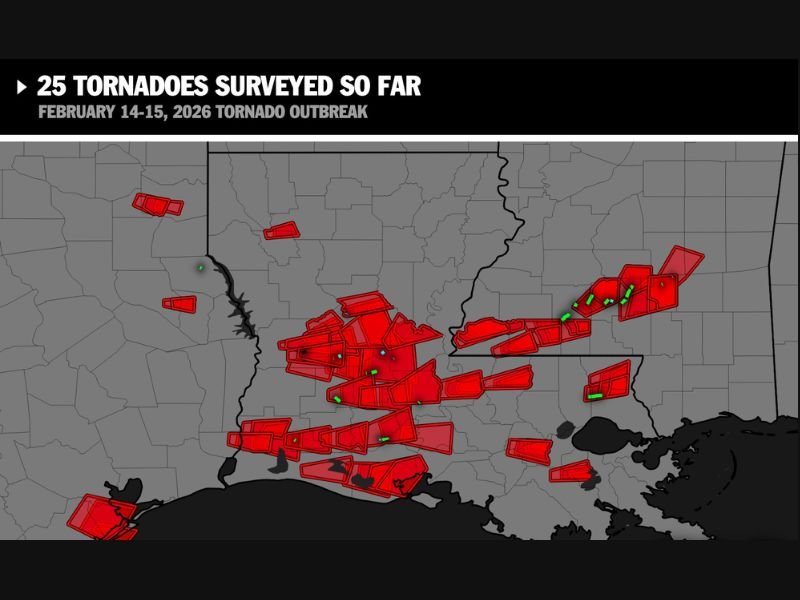
DEEP SOUTH — At least 25 tornadoes have now been confirmed from the February 14–15, 2026 severe weather outbreak, based on tornadoes that have already been surveyed and logged in the DAT tornado database. Forecasters and storm analysts say that number is not final, and the confirmed total could climb to 30 or more as additional storm surveys are completed and more reports are officially added.
What the “25 Confirmed” Number Actually Means
The key detail is that this count reflects surveyed tornadoes only—storms that have been investigated, verified, and entered into the database. In many outbreaks, the final total rises over several days because multiple National Weather Service offices must review damage paths, compare radar data, and separate tornado damage from straight-line wind damage.
That is why analysts expect the confirmed number to increase as remaining survey work is finished and new entries are added.
Where the Tornado Tracks Were Most Concentrated
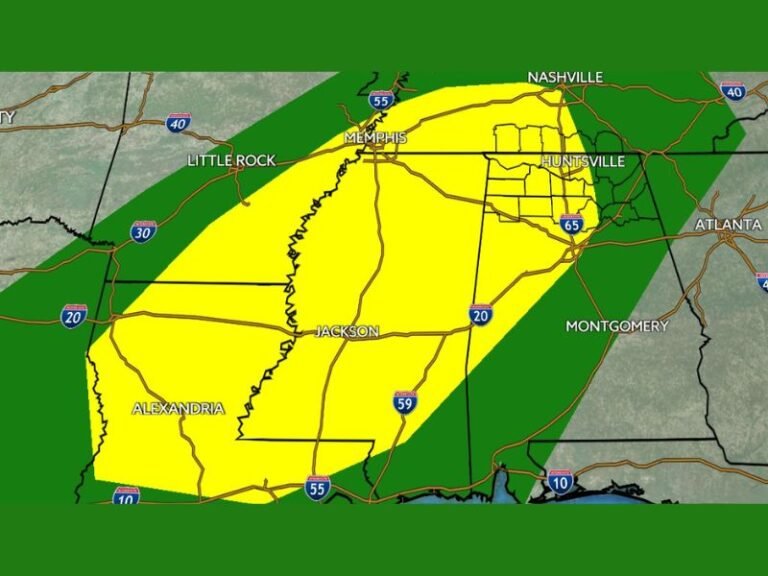
The map of surveyed paths shows the heaviest clustering across the central Gulf states, with numerous tracks packed close together—an indicator of repeated supercell activity moving through the same corridors. The densest grouping appears to run from Louisiana into Mississippi and Alabama, with additional tornado tracks extending farther east into the Southeast.
There are also a few more isolated tracks shown outside the main cluster, suggesting the outbreak produced tornadoes on the edges of the primary storm zone as well.
Why Final Tornado Totals Often Rise After Major Outbreaks
In fast-moving outbreaks, damage reports come in waves. Some tornadoes are brief, occur at night, or hit rural areas—meaning their paths are not fully documented until crews can access locations and confirm details. As survey teams complete those checks, the official tornado count can rise even after the main headlines fade.
What Residents Should Do After the Storms
Even after warnings end, communities can still face hazards such as downed trees, unstable structures, and debris near roadways. Residents in impacted areas should document damage safely, follow local emergency guidance, and stay alert for any additional severe weather rounds this week.
If your area was hit on Feb. 14–15, what did you see and how did your community respond? Share your experience and join the conversation at SaludaStandard-Sentinel.com.