‘Snow Mold’ Spreads Across Oklahoma Lawns After Arctic Blast, Leaving Spider-Web-Like Patches as Snow Quickly Melts
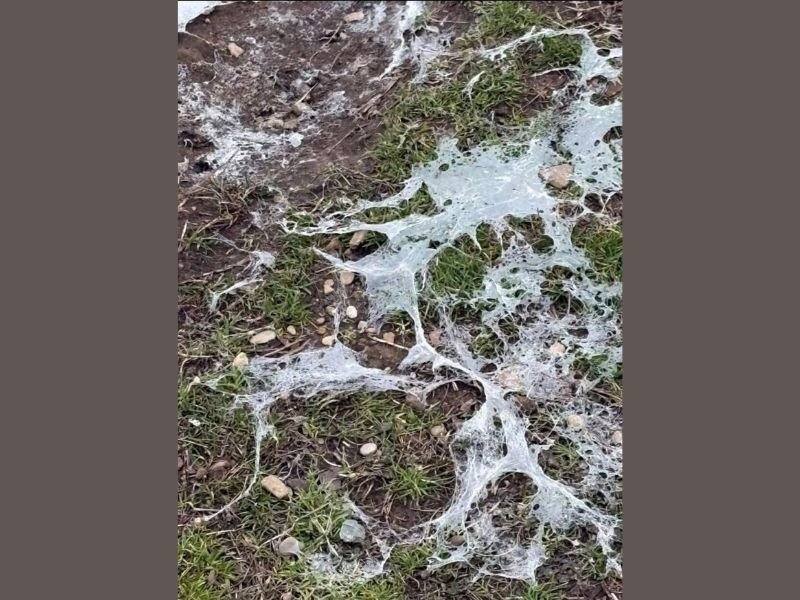
OKLAHOMA — Homeowners across parts of Oklahoma are noticing strange, spider-web-like growths appearing on their lawns in the days following a recent Arctic blast and rapid snowmelt. While the sight has caused confusion and concern, experts say the phenomenon is a naturally occurring condition known as snow mold — and it is far less alarming than it looks.
What Residents Are Seeing on Their Lawns
The thin, white, web-like material has been spotted clinging to grass blades and soil, often resembling large spider webs stretched across yards. In many cases, it appeared almost overnight once snow that had lingered for several days finally melted.
Despite how unusual it looks, snow mold is not spider webs, not chemicals, and not toxic contamination. It is a type of fungus that thrives under very specific winter conditions.
Why Snow Mold Formed After This Winter Weather
Snow mold develops when snow remains on the ground for several days while temperatures hover in the 20s and 30s. During that time, the grass beneath the snowpack stays cold, wet, and matted down — creating the perfect environment for fungal growth.
This winter delivered exactly those conditions across Oklahoma. Deep cold, snow sitting for multiple days, and saturated ground combined with a fast melt allowed the fungus to flourish. Most years, snow either doesn’t last long enough or the ground dries quickly after melting, preventing snow mold from forming. This time, however, the weather pattern lined up perfectly for it.
Why It Looks So Dramatic When Snow Melts
One reason snow mold surprises homeowners is that it forms out of sight, hidden beneath the snow. Once the snow melts, the fungus is suddenly exposed, making it look as though lawns were attacked overnight.
In reality, the mold developed gradually while the snowpack insulated it from view. When the snow disappeared, the web-like structures became visible all at once.
Is Snow Mold Dangerous to People or Pets?
The good news is that snow mold is mostly cosmetic. It does not pose a health risk to people or pets, and it does not permanently damage lawns. As temperatures warm and sunshine increases, the fungus naturally dries out and disappears.
Grass typically recovers on its own as air circulation improves and soil conditions dry. In most cases, homeowners do not need to apply chemicals or treatments.
What Homeowners Can Do Right Now
If snow mold is visible in your yard, the recommended response is simple:
- Lightly rake or fluff the affected grass to improve air flow
- Allow sunshine and warmer air to dry out the area
- Avoid overwatering while the lawn recovers
With a little time, lawns generally return to normal without intervention.
A Temporary After-Effect of Extreme Winter Weather
Snow mold is just one of several unusual after-effects that can follow a true Arctic blast in the southern Plains. While it may look unsettling at first, experts stress that it is a temporary and harmless reminder of how extreme winter conditions interacted this year.
As warmer weather moves in, the fungus should fade quickly — leaving behind nothing more than a strange but short-lived winter memory. For more weather updates and local coverage across the region, follow SaludaStandard-Sentinel.com.