Arctic Blast Expected to Hit Central and Southern U.S. Around December 13–15, Bringing Bitter Cold and Subfreezing Temperatures
DALLAS, Texas — Winter is about to make its grand entrance. Forecast models now show a strong Arctic cold front barreling into the Central and Southern United States around December 13–15, bringing a dramatic temperature plunge that could rival some of the coldest air of the season so far.
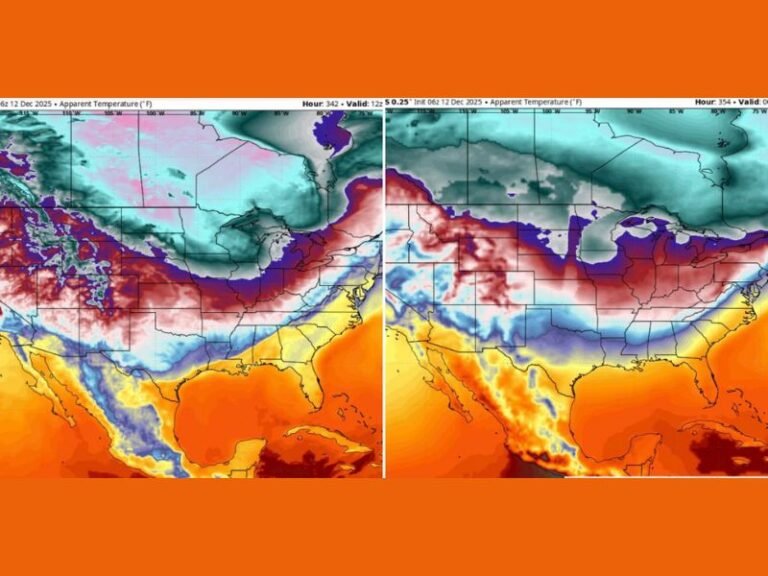
Meteorologists analyzing 850mb temperature charts — which track cold air masses in the mid-level atmosphere — say this upcoming pattern has “all the hallmarks of a major Arctic intrusion.”
Cold Air Surges Deep South
According to the GFS model run from December 6, frigid air now pooling over western Canada and the northern Rockies is expected to surge southward, sweeping through Texas, Oklahoma, Arkansas, Louisiana, Mississippi, and parts of the Southeast by next weekend.
Temperatures at mid-level altitudes could drop to levels typically seen during deep winter outbreaks, hinting that surface temperatures may fall 20–30 degrees below seasonal norms across large portions of the U.S.
“This isn’t just a mild cold front,” said meteorologist Brooks Taylor. “This is the kind of Arctic push that makes heaters work overtime and catches drivers off guard with black ice and frost.”
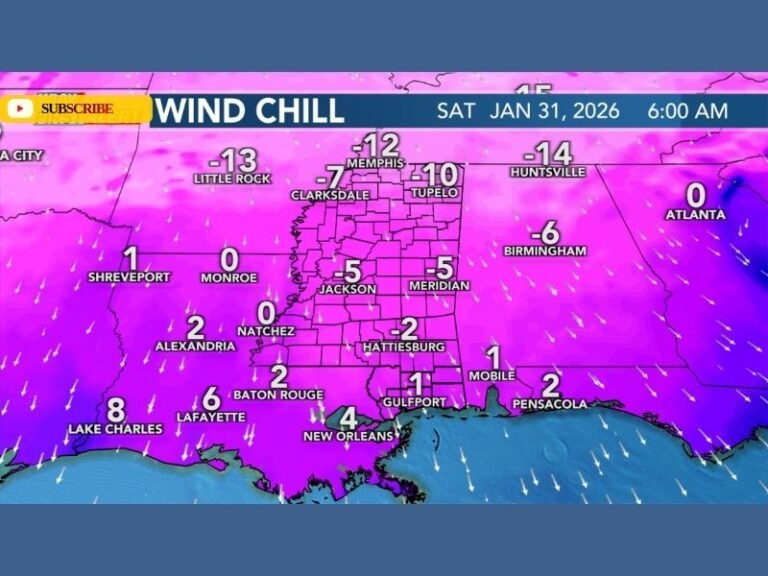
The chart shows a broad zone of subfreezing air stretching from the Rockies through the Gulf Coast, signaling widespread frost potential and the likelihood of single-digit wind chills in exposed areas.
Areas Most Affected
- Texas and Oklahoma: The front is expected to hit first in the Southern Plains, where temperatures could plunge from the 60s into the 20s in less than 24 hours.
- Arkansas, Louisiana, and Mississippi: By Saturday morning, these states may experience their first major freeze of the season.
- Alabama and Georgia: Rapid cooling and overnight lows near freezing expected by December 15.
- Midwest and Great Plains: Already under the influence of Arctic air, temperatures could bottom out in the single digits to teens.
“For the Deep South, this will feel like an early shock of true winter,” said Taylor. “We’re looking at a setup where even car batteries and pipes will be tested.”
Meteorological Setup Behind the Cold
Meteorologists point to a strong high-pressure dome forming over Alaska and the Yukon, forcing the polar jet stream to buckle southward. This pattern — known as a cross-polar flow — acts as a conveyor belt for frigid Arctic air, delivering it deep into the continental U.S.
At the same time, a low-pressure system developing over the central U.S. is expected to help draw the cold air southward, reinforcing the front through the weekend.
This combination of factors often results in widespread temperature anomalies — with some areas up to 25°F below normal — as well as strong north winds and wind chills that make conditions feel even colder.
Impacts: Frost, Energy Demand, and Travel Concerns
Residents across the southern states should brace for a surge in heating demand, as temperatures plunge rapidly during the second week of December.
The front could also trigger frost and light freeze conditions for agricultural regions in Louisiana, Mississippi, and Alabama, posing a risk to crops and outdoor vegetation.
Roadways may experience morning ice hazards in areas where moisture precedes the Arctic air, particularly across Oklahoma, Arkansas, and northern Texas.
Travel disruptions are possible as the front moves east, especially if moisture overlaps with freezing temperatures in the lower Mississippi Valley.
Looking Ahead: A Prolonged Cold Pattern Possible
While this Arctic surge may be the first significant one of December, meteorologists caution that it may not be the last.
The same blocking pattern over Alaska could reload cold air masses heading into Christmas week, setting the stage for repeated cold waves through late December.
“If this pattern holds, the South could be in for a colder-than-average finish to the year,” Taylor noted. “Once Arctic air establishes itself, it’s difficult to dislodge quickly.”
Residents are encouraged to begin winterizing homes, checking vehicle batteries, and preparing for potential hard freezes as early as next week. For more cold-weather forecasts and local updates, visit SaludaStandard-Sentinel.com.